Conversations
Beyond the Algorithm: Fafa Modey on Digital Citizenship, AI and Who Gets Left Behind
After an immigration panel at Creators' Mix in Newcastle, the Fafacodes founder and AI policy advocate talks belonging, community and why the digital world risks repeating old inequalities.
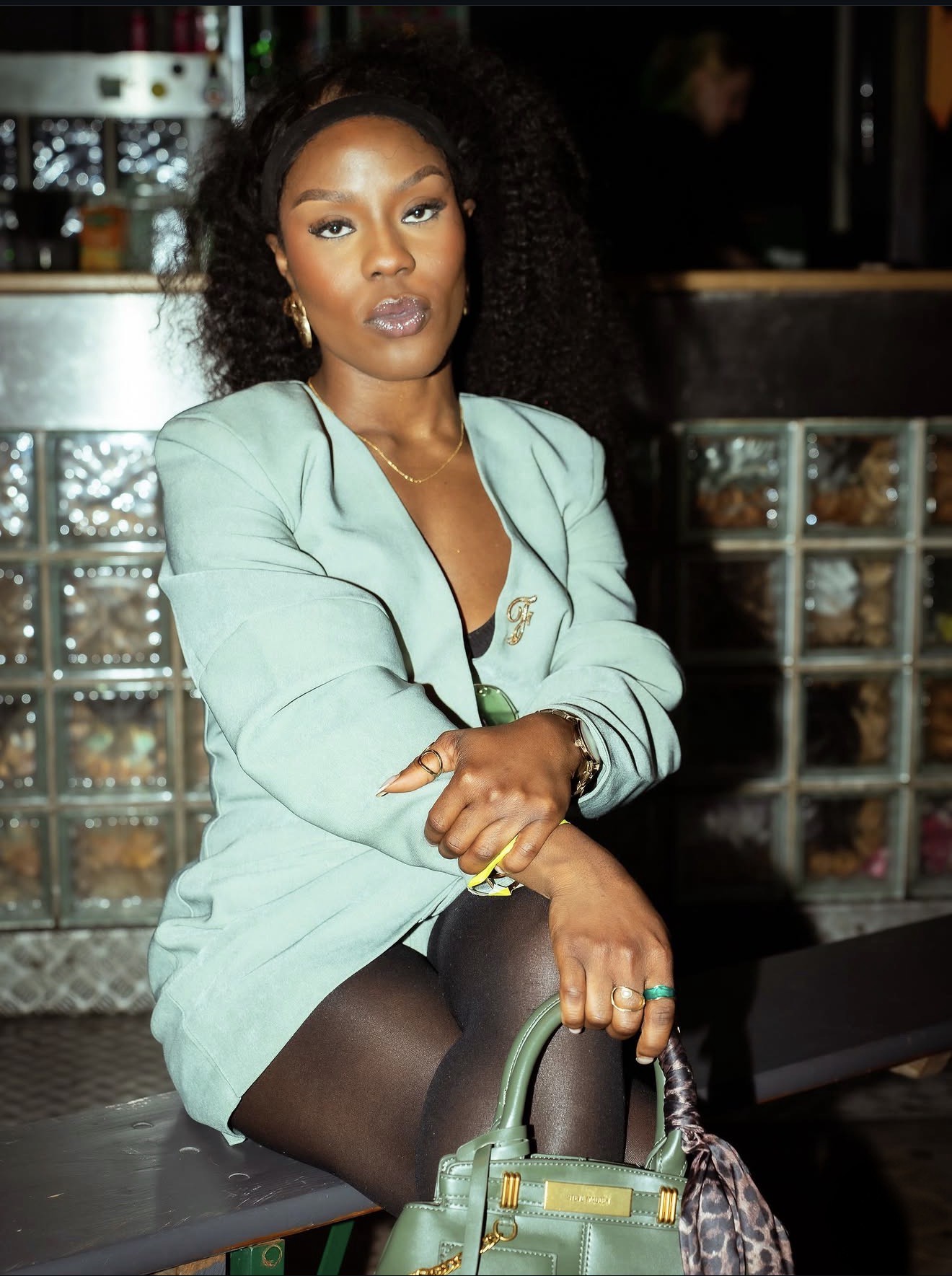
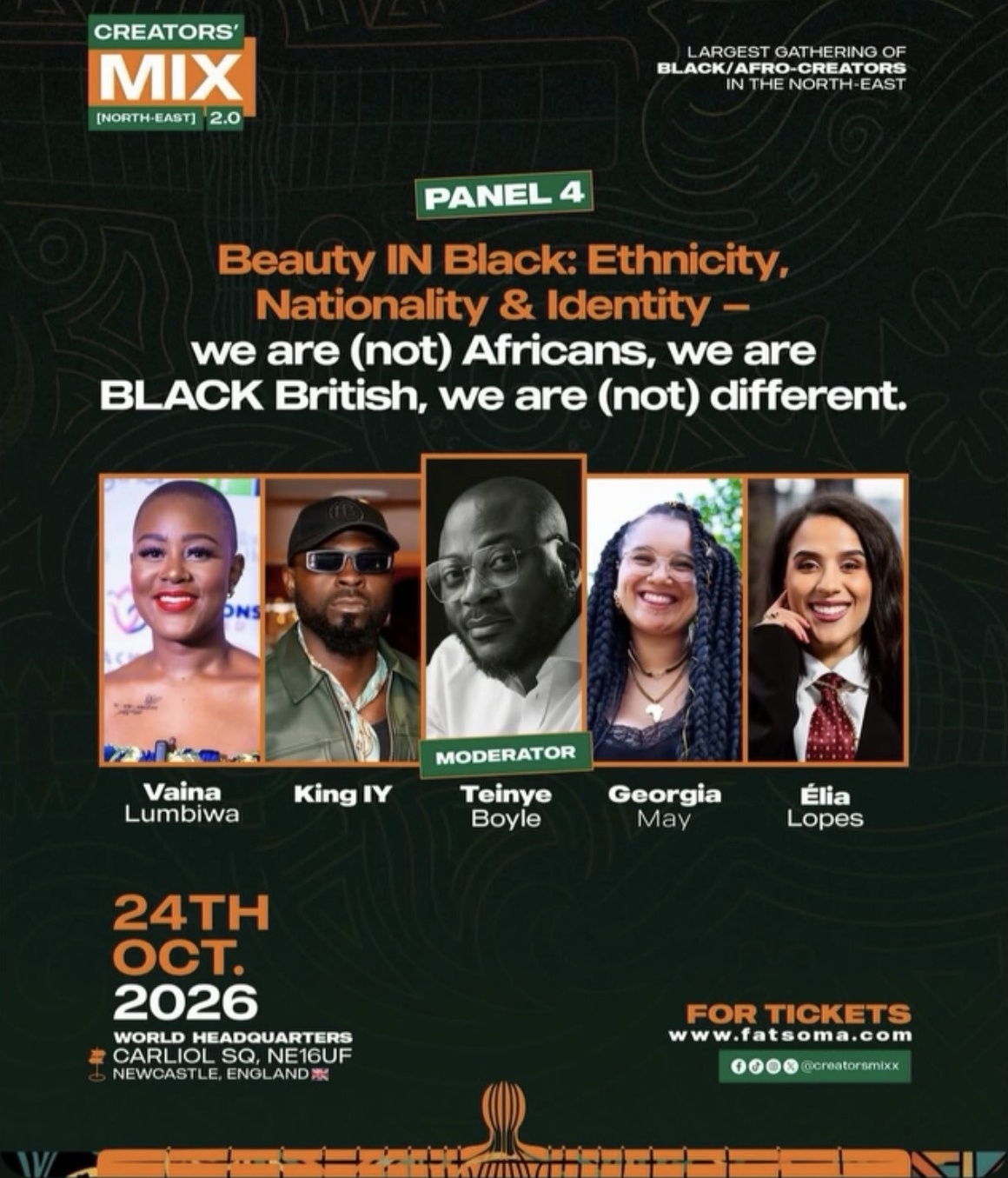
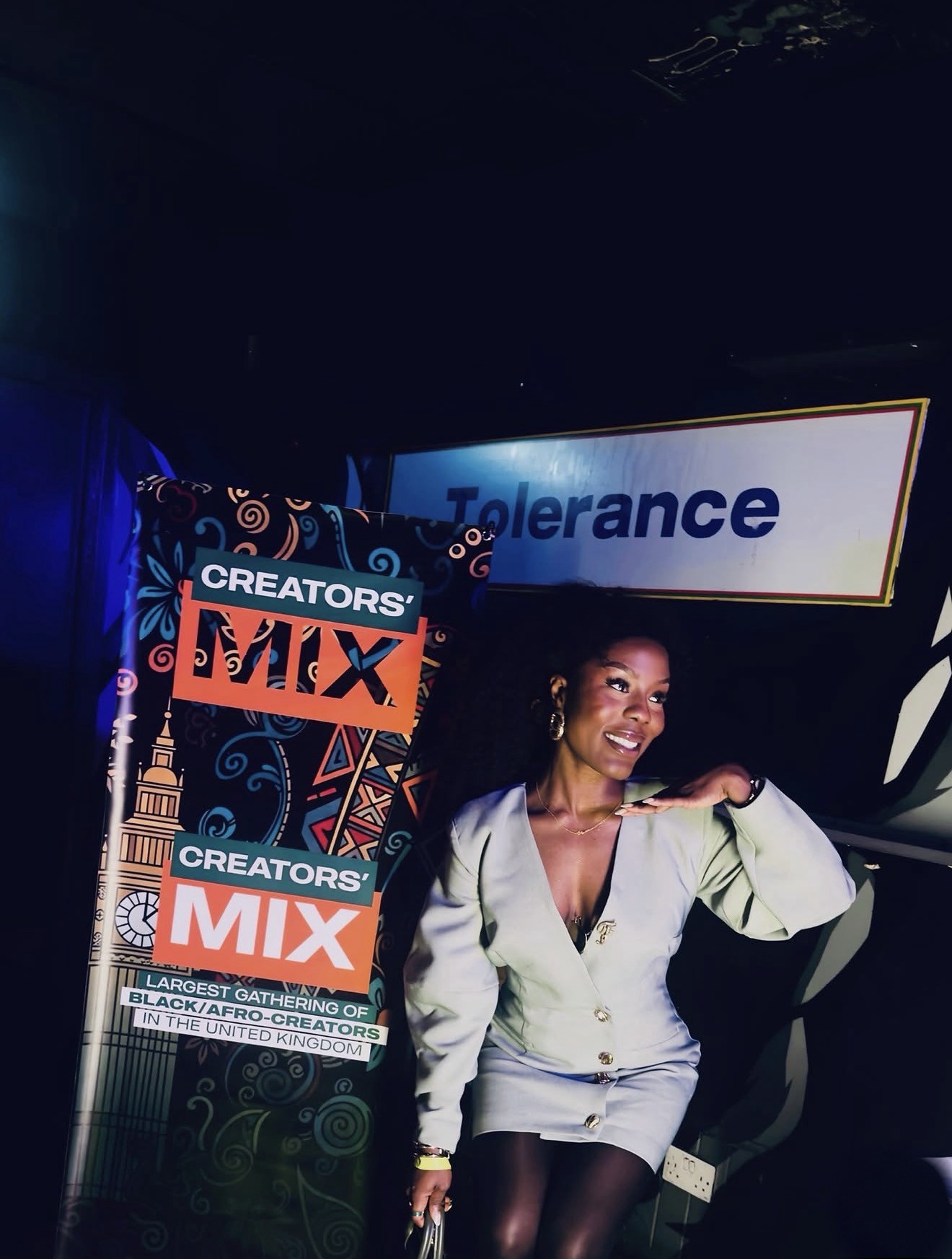
At the recent Creators' Mix event in Newcastle, Fafa Modey joined a panel discussion titled “Navigating Immigration: What Is Often Overlooked?” The conversation explored the realities of starting over in a new country, from cultural adjustment and career progression to community, identity and belonging.
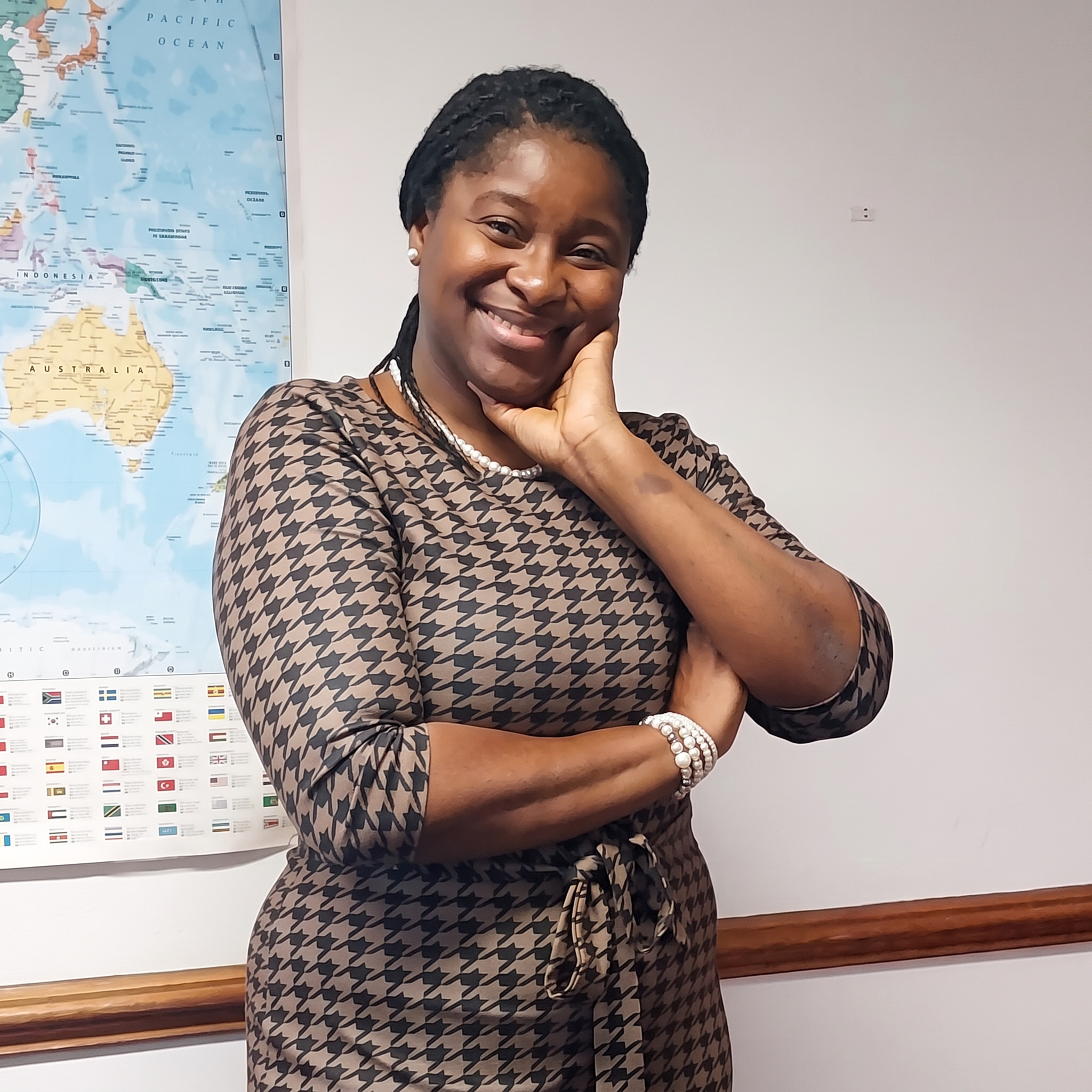
Modey, founder of Fafacodes, AI and technology policy advocate, spoke candidly about her own experiences of building a life and career in the UK. But the themes raised during the discussion extended well beyond immigration. Questions about access, representation, opportunity and inclusion surfaced repeatedly, prompting a deeper conversation in a follow-up interview with Vantage.
As artificial intelligence increasingly shapes how people work, communicate and create, Modey believes many of the same challenges immigrants face in society are beginning to emerge in digital spaces.
“We carry our offline problems online very easily,” she said. “AI is trained on data from our offline world, and that data can bring our biases with it.”
For Modey, that observation lies at the heart of one of the defining conversations of our time. While technology promises progress, innovation and connection, it also raises a difficult question: are we building a new digital world, or simply recreating old inequalities online?
Building a Career, Building a Life
For as long as she can remember, Modey has been fascinated by understanding how things work.
“My strengths were always logic and quantitative reasoning,” she said. “I loved puzzles, so engineering was an easy choice.”
After studying Electrical and Electronics Engineering at the University of Benin, she moved to the UK to pursue a master's degree in Cybernetics and Communications Engineering at Nottingham Trent University. It was a deliberate decision, driven by both passion and practicality.
Knowing she wanted to work in technology, she strategically designed her dissertation around the skills employers were actively seeking. Her project involved creating a human-readable programming language for low-cost robots and deploying it as a web application.
“The trick was applying for jobs while I was building it,” she explained. “In interviews, I simply talked about the work I was doing every day.”
The strategy worked. She secured a job offer before graduating and completed her master's degree with distinction.
Her introduction to the technology industry was far from gentle.
“It was jumping in with two feet,” she recalled. “Hard deadlines and debugging in real time, all before AI support.”
Today, she has progressed into leadership roles, designing AI-powered features for enterprise organisations across multiple sectors. Yet alongside the technical achievements came personal lessons she had not anticipated.
The Reality of Immigration
For Modey, one of the biggest surprises about moving abroad had little to do with academics or employment.
“Honestly, it is 100 per cent how underrated being an immigrant is,” she said.
Like many international students, she arrived focused on education and career opportunities. What she did not fully appreciate was the effect migration would have on every other aspect of life.
“I thought about my education only and I did not consider the impact on my social life, my friends and family, or everything else that matters.”
Although she had travelled to Europe on numerous occasions before she relocated, living in Britain presented a very different experience. It required her to think about identity and belonging in ways she never previously had.
“I had never had to be conscious of my belonging, or of how my presence was perceived.”
Workplace culture also proved to be a significant adjustment.
“I spent the first couple of years of my career just understanding it, two years I would not have had to spend if I had not moved.”
Over time, she found her footing, but the experience left her with a deeper appreciation of the hidden barriers many migrants face.
Why Community Is More Than Networking
Ask Modey what would make British industries more inclusive, and her answer begins with community.
“As you can tell, I am really big on community,” she said. “Access to the right people gives you access to information, and that information is very often the right opportunity.”
She believes many talented migrants possess the skills needed to thrive but lack access to networks that can help them navigate unfamiliar systems.
“We need more communities built to help talented migrants find their way into tech and the creative industries,” she said. “They need to be implementation-focused. What exactly is missing, and how do we bridge that gap?”
For Modey, professional growth requires intentional relationship-building. Online platforms can be powerful tools, especially for professionals who may feel isolated within their sector. But she argues that face-to-face interactions remain equally important.
“Go to events and tech meetups. You can struggle to reach a recruiter online, then walk up to their booth at a conference and meet the exact person you should be talking to.”
It is a lesson shaped by experience. Growing as an immigrant, she says, is not a journey anyone should have to undertake alone.
Digital Citizenship in the Age of AI
The same ideas of inclusion and access now shape how Modey thinks about technology.
As artificial intelligence becomes embedded in everyday life, she believes society must pay closer attention to what it means to be a citizen in a digital world.
For her, digital citizenship is not simply about using technology. It is about ensuring people have rights, protections and meaningful participation in systems that increasingly influence their lives.
The first challenge is governance.
“AI is moving far faster than our policies, laws and standards,” she says. “When the rules come late, the people who get hurt first are the communities with the least power.”
She is careful to stress that innovation should not be stifled. Rather, governments, businesses and technology leaders must become more proactive.
“We cannot cap innovation, but we must be mindful of how we bring it into society.”
She often reflects on a comment made by internet pioneer Vint Cerf, who once described the internet as a science experiment that has never ended.
“That stuck with me,” she said. “We should not be making it up as we go.”
Technology and the New Digital Divide
While Modey is optimistic about the opportunities AI presents, she is equally aware of the risks facing underrepresented communities, particularly across Africa.
“Technology is helping us create an online world, and we get to build it in real time,” she said. “That is a very rare opportunity.”
She questions whether African nations currently possess the educational infrastructure, power supply, and hardware ecosystems required to compete on an equal footing.
“If you are a young African building AI, you are exploring an unexplored sector in a world where a huge digital divide already exists.”
She also raises concerns about dependency on technologies developed elsewhere.
“When our communities build even their local systems on big tech software, we create another level of digital colonisation and data sovereignty issues.”
For her, the future of African innovation requires more than adoption. It requires ownership, participation and intentional safeguards.
“Welcome the change and stay curious,” she says. “But be super intentional about putting guardrails in place that protect our communities and our identities as Africans.”
Trust, Authenticity and the Future
Perhaps the most pressing challenge, however, is trust. From AI-generated images and videos to misinformation campaigns and synthetic content, the digital landscape is becoming increasingly difficult to navigate.
“Generative AI has put a big question mark on authenticity,” Modey said. “People do not know what to believe online anymore.”
She points to instances where AI-generated content has been used to amplify racist narratives and harmful misinformation targeted at migrants and minority communities.
At the same time, she worries about exploitation elsewhere in the technology ecosystem, from the sourcing of minerals used in AI hardware to reports of low-paid workers exposed to harmful content while helping train AI systems.
To her, inclusion cannot be measured solely by who has access to technology. It must also consider who benefits, who is protected and who carries the hidden costs of innovation.
For creatives, she believes the balance is particularly important.
“Creatives should use technology to support their work,” she says. “But the identity of the creative must always be at the forefront of the work.”
Building Forward
Looking back on five years in the UK, Modey says the greatest lesson has been the importance of remaining open to change.
“Explore,” she says. “Do not feel confined to a certain way just because that is how things have always been done.”
It is advice that applies as much to societies as it does to individuals.
As a builder, engineer and advocate, she wants to create technology that serves people sustainably and responsibly. But she also wants the conversations around technology to become more inclusive, bringing together questions of migration, identity, policy and community.
In many ways, the discussion she joined at Creators' Mix began with immigration. What followed was a broader conversation about belonging in every sense of the word.
Whether in workplaces, communities or digital spaces, Modey believes the principle remains the same: opportunity should not be determined by who has the most access, but by ensuring everyone has a meaningful chance to contribute.
As artificial intelligence continues to reshape the world, that may be one of the most important questions of all.
About the author
Victor Ikoli is the Founder and Editor-in-Chief of Vantage Magazine.