Culture
Farida Atanda’s Blueprint for the Future of African Performance
The cultural producer and creative director is bringing together law, theatre, heritage, and technology to rewrite the rules of modern storytelling.
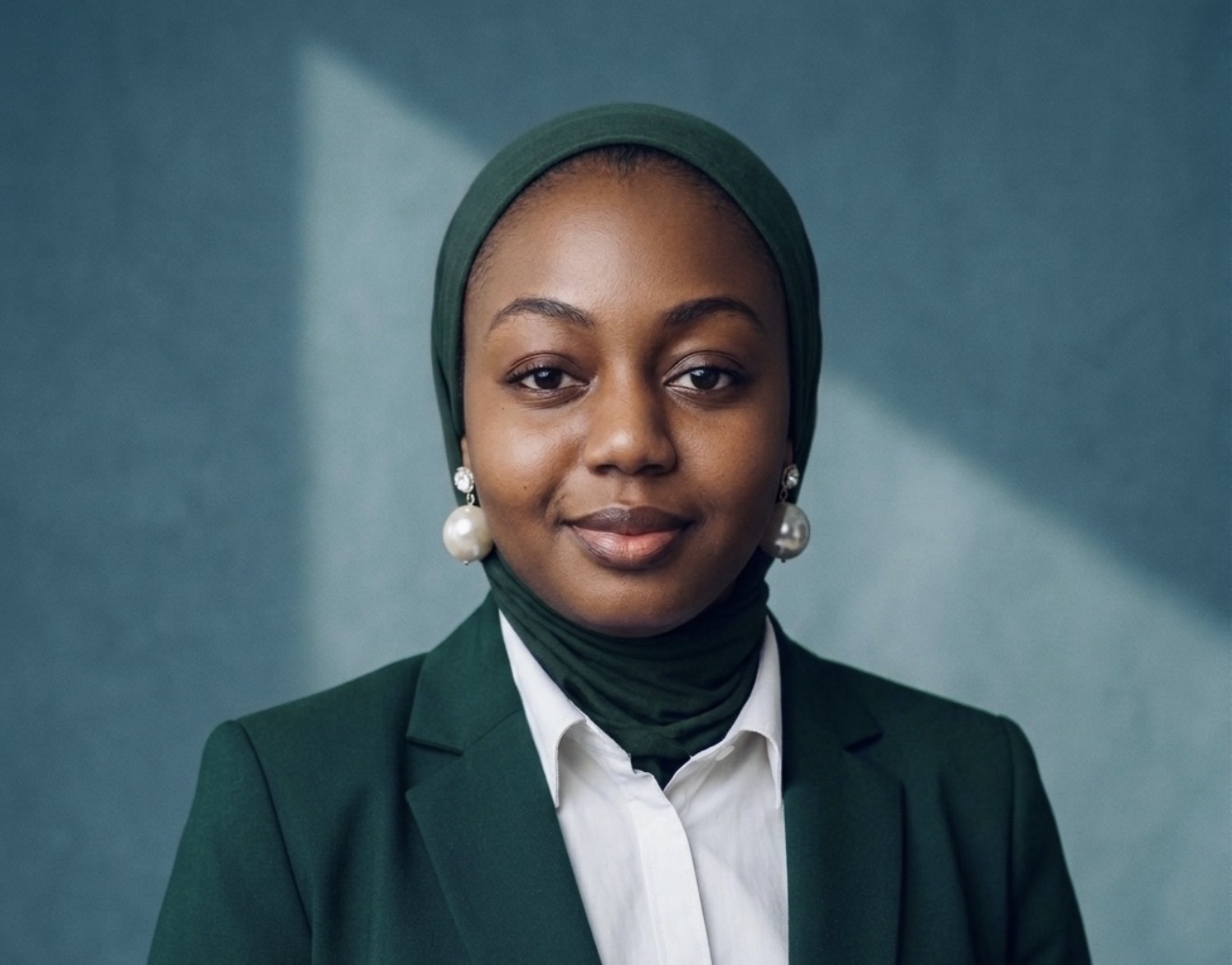
Farida Atanda is not interested in discussing specific festival dates or single-night standing ovations. When asked about the future of African performance, she bypasses the immediate calendar entirely and shifts the focus to infrastructure. Her vision for the future envisions permanent cultural incubators, expansive multi-continent touring networks that span the Global South, and residency programmes that facilitate seamless transitions for African scenographers between Accra, Lagos, and London.
“The goal has to be sustained collaboration,” Farida says. “Not one-off events where we pack up the stage, fly home, and leave nothing behind.”
Farida, a cultural producer and creative director, sees the current global arts landscape as ripe for disruption. Her work spans major heritage festivals like Nigeria’s NAFEST, the Hubert Ogunde Opera & Folk Festival, and high-profile Pan-African showcases across the UK. Farida rejects the tired anxiety of the “brain drain” narrative that plagues African creatives moving abroad. Instead, she believes global mobility is a network waiting to be harnessed. When she produces a diaspora showcase in a mainstream British venue, she deliberately loops the economic benefits back home. She commissions local scripts, sources materials from regional markets, and hires performers directly from West Africa. This intentional cross-border creative economy, which she calls “brain gain,” is a testament to her belief in the potential of global collaboration.
Building a permanent highway for global African storytelling demands a unique set of skills that the arts world rarely acknowledges. Farida’s unconventional secret weapon lies in this very background: an LL.B degree in law from the University of Ilorin.
Farida does not view contracts and creative expression as working against each other. For her, contracts and creative expression can be viewed as parallel, intersecting narratives and structures. Farida sees her legal education as “quiet scaffolding” that enables her to realise her most imaginative creations. Many oral historians and elder practitioners have been exploited and uncredited in the past. Rather than ignoring this, she has chosen to use her legal knowledge to draw up intellectual property agreements and draft legal protections for performance rights.
“Protecting the intellectual property of traditional performers is a quiet superpower I use every day,” she explains. “For me, cultural preservation isn’t a passive act of nostalgia or locking history away in a dusty archive. It’s an aggressive operational strategy. It means securing equitable funding, establishing rigid safety protocols, and ensuring that the old masters of a craft retain strict ownership over what they create.”
“Traditional art doesn’t need dilution to stay relevant, it just needs strong platforms.”
“Traditional art doesn’t need dilution to stay relevant, it just needs strong platforms.”
According to Farida, this balance of raw discipline and creative boldness was forged across three distinct cultural landscapes. Nigeria taught her scale, ambition, and the sheer audacity required to command a massive crowd. Ghana deepened her reverence for ceremonial discipline and Pan-African symbolism. The UK sharpened her eye for technical execution, accessibility, and how to effectively reach diverse diaspora audiences.
Staging traditional African art on global stages means navigating visa hurdles, funding gaps, and the constant, nagging pressure from institutions to simplify African narratives for a Western gaze. Farida’s response has been to double down on complexity. When she brought an Igba Nkwu, a traditional Igbo nuptials ceremony, out of private community halls and into mainstream UK cultural venues, she refused to dilute it. Instead, she elevated it with projection mapping, modern staging, and live traditional instrumentation. It wasn’t designed to be a cheap spectacle; it was structured to give textile designers, sculptors, and musicians direct commercial pathways into the wider arts sector.
Her productions view African heritage as a vibrant and dynamic design language. In her perspective, traditional performance is inherently multidisciplinary, an inseparable blend of rhythm, movement, costume, and masquerade. By infusing contemporary pacing and modern lighting design into ancient folklore, she creates a bridge between ancestral histories and younger urban audiences. These audiences are navigating fast-paced modern lives while striving to preserve their sense of identity.
The true test of her architecture, however, unfolds in the dark when the show truly begins. Farida revels in the moment the room transforms. UK audiences typically enter a venue with a quiet, polite theatre etiquette, settling back in their seats with folded hands. But midway through her productions, as the live percussion harmonises with the staging, that learned restraint completely dissipates. The silent, formal auditorium metamorphoses into a vibrant, participatory village square.
Farida aims to make this transformation permanent. By moving beyond the era of isolated showcases and emphasising long-term systemic exchange, she isn’t merely putting African stories on global stages; she’s rewriting the rules governing their protection, funding, and remembrance for generations to come.
About the author
Ayeni Olusegun is a contributor to Vantage Magazine.