People
From Factory Night Shifts to the Cornish Airwaves: How Richy Bongo Built an African Vibe
A former Nigerian newsroom editor who once packed plastics through the night now hosts a volunteer-run radio show that has just won national recognition.
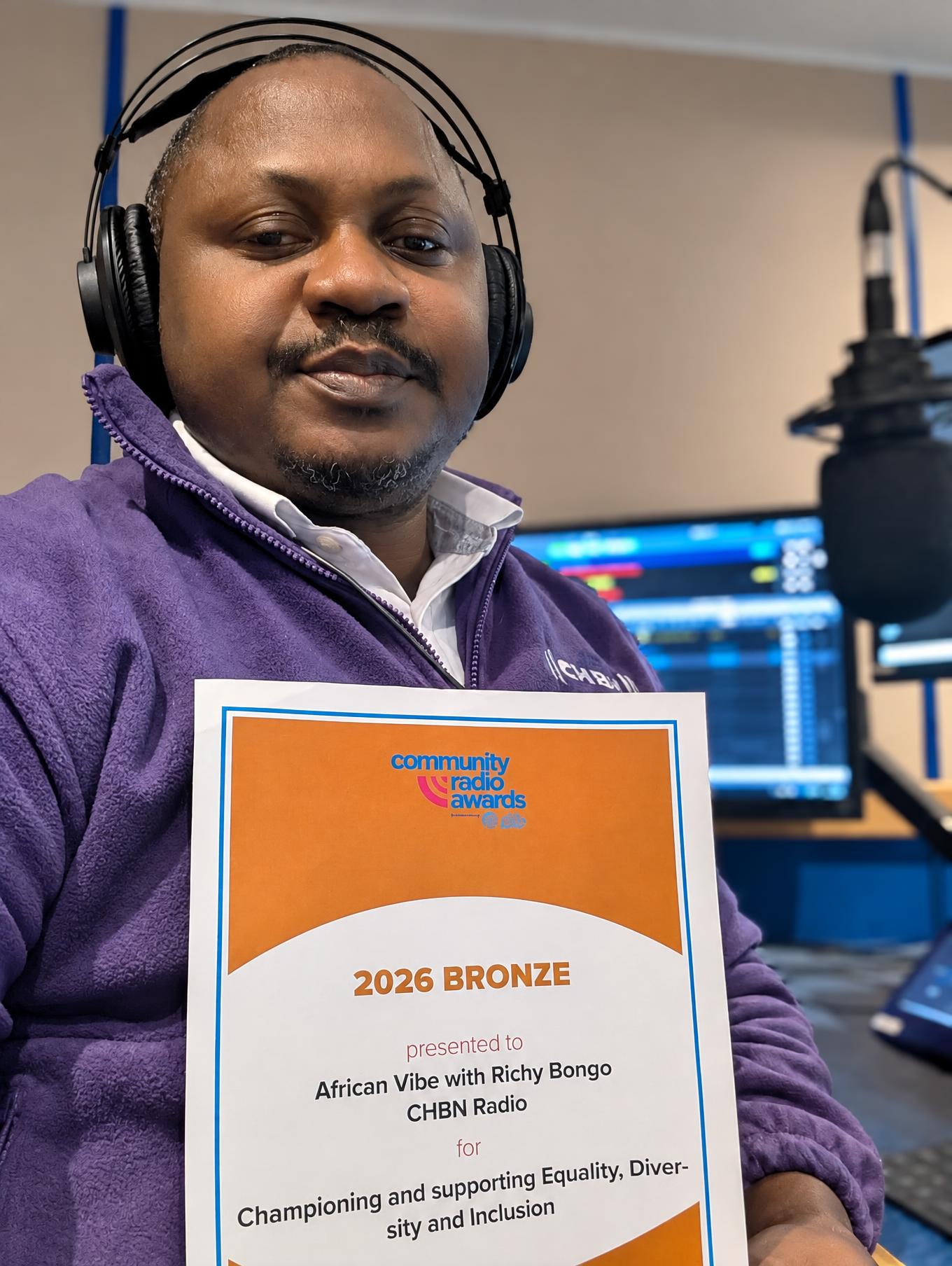
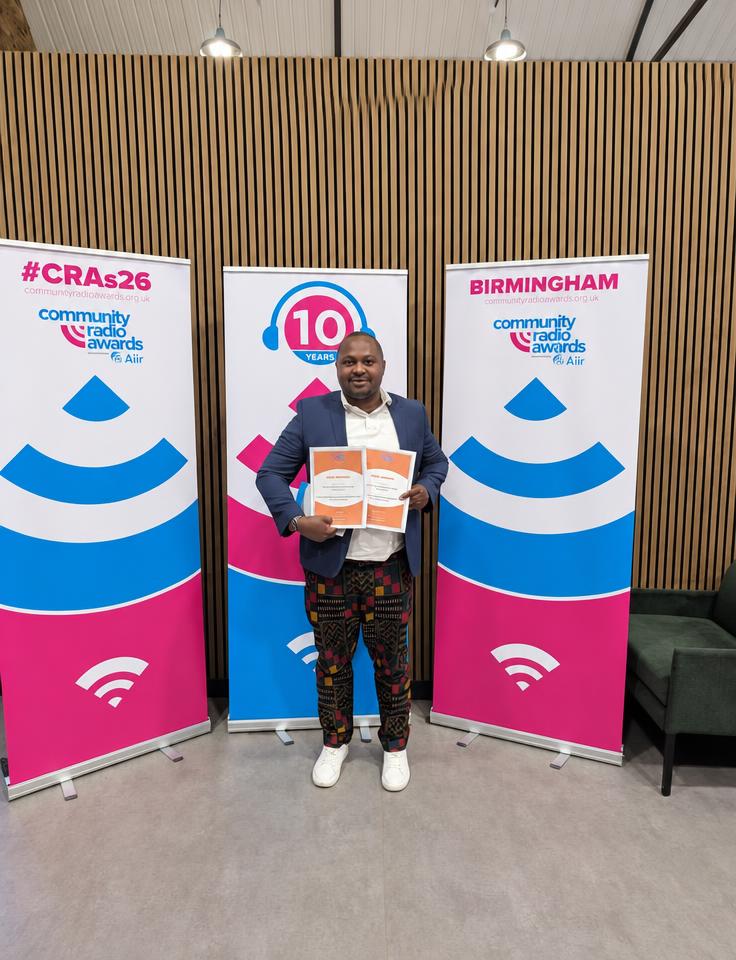
A Cornwall radio programme that most people in the UK have never heard of won a bronze award at the 2026 Community Radio Awards, held on October 24 in Birmingham.
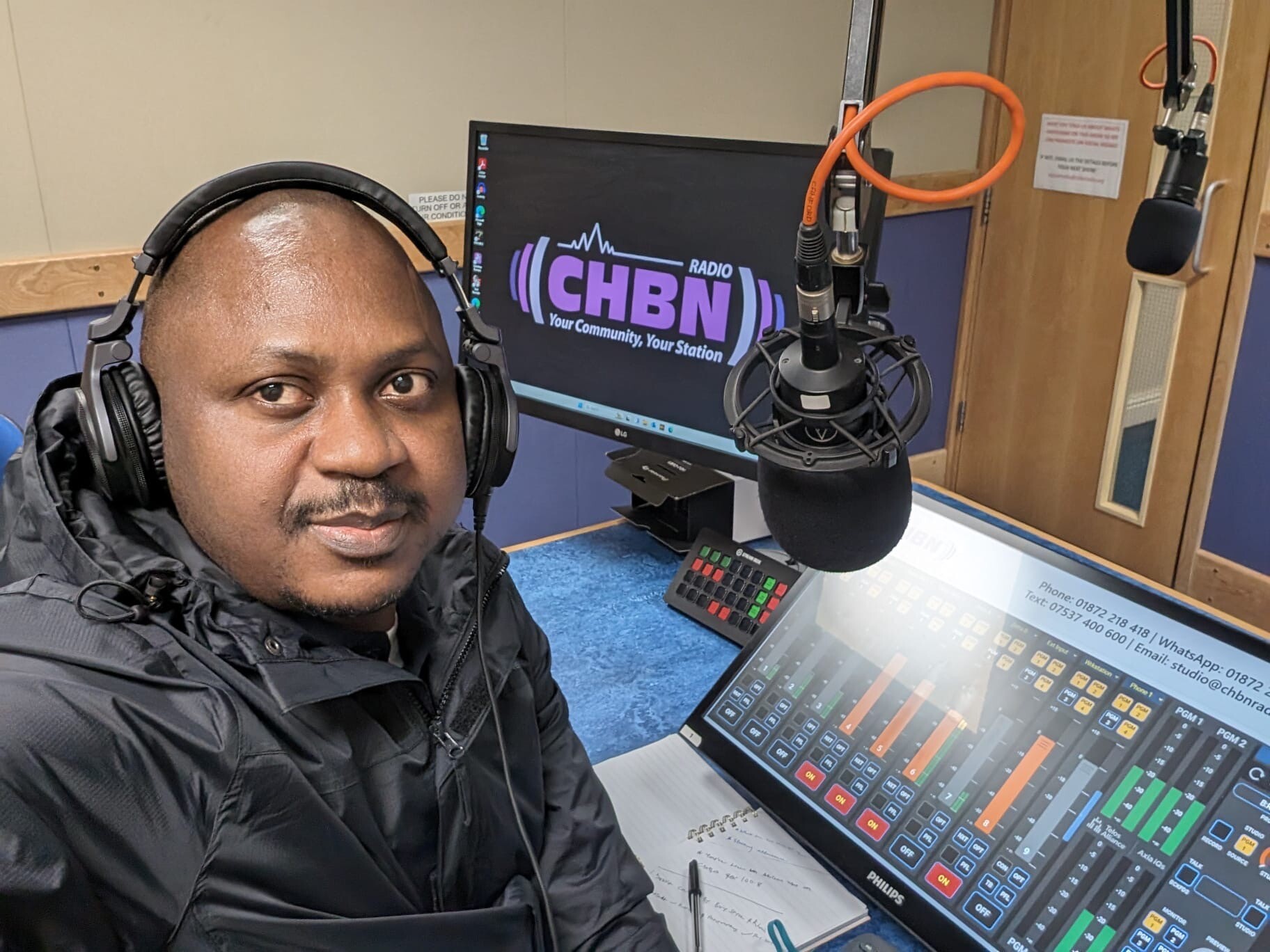
African Vibe with Richy Bongo, a show broadcast on CHBN Radio, was honoured in the category for championing and supporting equality, diversity and inclusion. The certificate, dated 24 October and signed by awards chair Rebecca Steers, is the latest marker in a remarkably fast rise for a show that has been on air for a relatively short time.
It is also, by the presenter's own account, a long way from where he started in Britain.
A valley before the vision
Richy Bongo arrived in the UK in April 2023 to join his family. He left behind more than two decades in Nigerian broadcasting, and he is candid about what that cost him.
"You may arrive with years of professional experience, achievements and a clear sense of who you are, but in a new country, you sometimes have to introduce yourself and establish your place all over again," he said. He calls that period his "Valley of Decision".
His CV tells the story he had to put aside. In 2000, he joined Rhythm FM Lagos as a music librarian. Subsequently, he transitioned into the newsroom and progressed from reporter to correspondent, assistant editor, and eventually news editor. He played a key role in producing the station’s current affairs programme, Viewpoint, which was hosted by the esteemed broadcaster and actor Patrick Doyle. Additionally, he contributed to the flagship breakfast show, NewsHub, on Silverbird Television. His reporting beat encompassed a diverse range of topics, including crime, security, defense, business, labor, the money market, and aviation. He was also actively involved in professional bodies, such as the Finance Correspondents Association of Nigeria.
In the UK, that résumé counted for little at first. His early days were spent in a factory, working 12-hour shifts standing, picking and loading plastics.
The idea for the show came out of those long nights. To get through them, he listened to the radio, and he began to listen critically.
"Our music had zero airplay, our stories weren't being told," he recalls. "I saw the gap and I ran with it."
He drew up a programme pitch about who Africans are, where they come from and what they offer their host community, and sent it to a large radio station. The answer was a polite no. He then approached CHBN Radio, a community and hospital station in Cornwall, and it said yes.
Encouragement came from within the station, where a trainer named Steve urged him to think beyond music towards a programme that promoted African culture and inclusion. It also came from an old friend, Azu Osumili, group managing director of Inspiration FM Nigeria. The two grew up in the same military cantonment in Ikeja, attended the same school and later worked together at Rhythm FM. Osumili has a name for the result: "the miracle of Igbo-Ekureku", after the village Richy Bongo comes from. The joke, he says, is that he spent his Nigerian career behind the microphone and cameras giving instructions, never in front of them.
The show took off quickly. Within months it earned a Best Newcomer nomination at the National Hospital Radio Awards.
Radio that crosses the table
What sets the programme apart is who ends up listening. Richy Bongo says music, food, fashion, language and personal stories all have a place, and that the audience is wider than the African community it was built for.
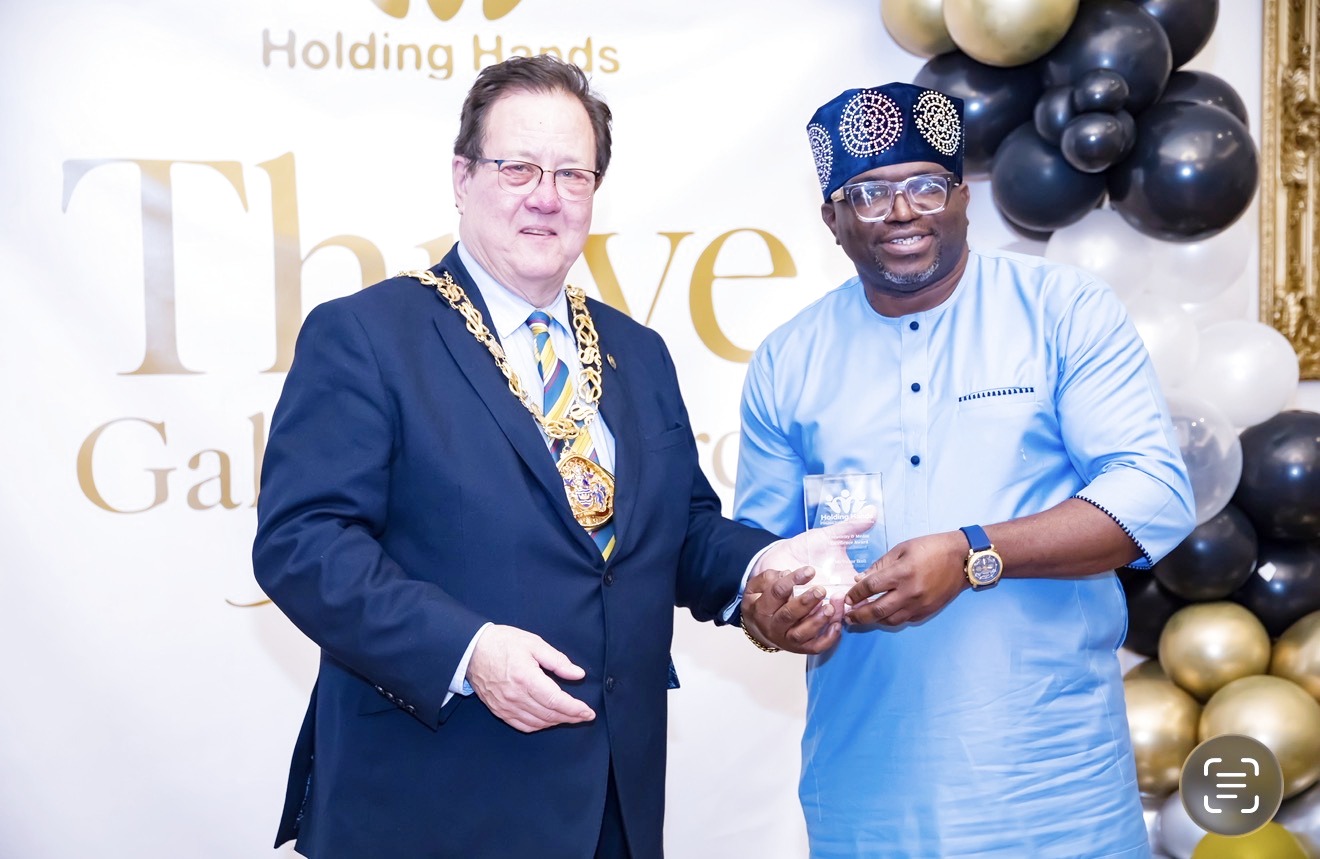
He recounts a patient who started tuning in after listening to his interview with the Mayor of Truro. During his hospital ward visits, he observes that patients who are not African now engage in conversations with him about African traditions they’ve acquired from the show.
Then there is the Lobola episode. He invited two Zimbabwean women into the studio to explain the marriage custom and the myths around it. Afterwards, a Cornish mother emailed to say the interview had calmed her son's fears about marrying a Zimbabwean woman. "Today, a Cornish man is married to a lady from Zimbabwe," he says.
For listeners from Africa working in the Royal Cornwall Hospital NHS Trust and other health settings, he adds, hearing familiar songs on air "reminds them of home" and helps them relax after demanding shifts.
Beyond the studio
The broadcasting sits alongside wider community work. He is involved with Black Voices Cornwall, an anti-racism organisation, and with Devon & Cornwall Police, which recently recognised him with its Voices That Inspire award. Earlier this year, he says, his radio work also earned him an invitation from the Deputy Prime Minister to a business meeting during President Bola Tinubu's state visit to the UK.
He is quick to put the recognition in perspective. "The award is not a destination," he says. "It is a reminder of the responsibility that comes with being given a voice."
He also stresses that all of this is unpaid. "Everything I have done with the radio programme has been volunteering," he says. He is a volunteer with CHBN Radio.
The next chapter
Through his registered company, Cave Entertainment and Event Limited, he’s started organizing social events to bring Africans and other ethnic minorities out of isolation. So far, the lineup has included an Afro-Caribbean Easter Shutdown and an All White Party in Cornwall. Detty December is planned for after Christmas. He explains, “These events are designed to unite people on one dance floor.”
His long-term vision includes the RichyBongo Hangout, a forum that would unite community members, business owners, organisations, and decision-makers to collaboratively explore practical solutions. He also aims to enhance the visibility of ethnic minority businesses, creatives, and young people. Ultimately, his goal is to create something enduring and sustainable, independent of his personal involvement.
Belonging without letting go
After more than three years in Cornwall, he said the move has deepened his sense of being Nigerian, not diluted it. "I can be proudly Nigerian, embrace life in Cornwall and contribute to British society without losing any part of myself."
His advice for newcomers who feel unseen is plain: give yourself time, don't lose your identity, and don't be ashamed of starting small. "You may have moved to a new country, but you have not arrived empty-handed," he said.
He signs off, as he does most things, in faith. "Above all, trust in God."
About the author
Victor Ikoli is the Founder and Editor-in-Chief of Vantage Magazine.