
Vantage Briefings
Nigerian-Trained Lawyer Dapo Akande Elected to UN's International Court of Justice
Oxford professor's win ends nearly nine years without a British judge on the world court.
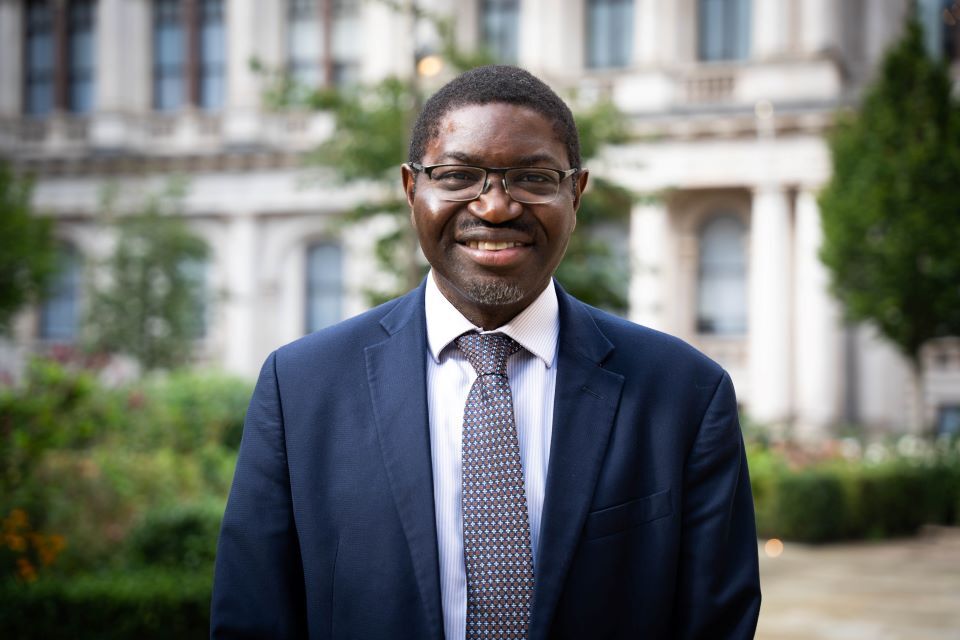
Professor Dapo Akande, a Nigerian-trained international lawyer at the University of Oxford, has been elected a judge of the International Court of Justice (ICJ), the principal judicial organ of the United Nations.
He was elected on November 3 after votes in the UN General Assembly and Security Council. His nine-year term begins on February 6, 2027, when he joins the 15-member court in The Hague.
The election comes after a legal career of almost three decades and puts a British judge back on the bench for the first time since 2018.
Akande first trained as a lawyer in Nigeria. He is now the Chichele Professor of Public International Law at Oxford and a Fellow of All Souls College. He is also an elected member of the UN International Law Commission, the independent body that helps develop and codify international law.
He has advised governments and international organisations, among them the United Nations and the African Union, and has appeared as counsel, adviser and expert before several international courts and tribunals, including the ICJ.
Responding to the result, Akande called the appointment a profound honour and thanked the countries that backed his candidacy.
“I pledge to serve with independence and to decide cases on the basis of a faithful and impartial application of the law,” he said. He added that he looked forward to helping the court settle international disputes by peaceful means.
Britain Returns to the Bench
The UK has had no judge on the court since Sir Christopher Greenwood's term ended in 2018. Greenwood lost his re-election bid in 2017, a rare break in Britain's long presence on the court.
London then set about securing Akande's election, with senior ministers and diplomats lobbying UN member states on his behalf.
Lord Chancellor Alex Norris was among those who backed him publicly, saying Akande's independence, legal expertise and breadth of experience would strengthen the court. With international law under growing pressure, Norris argued, the court needs judges who can apply it impartially and with sound judgment.
ICJ judges sit in a personal capacity. They are expected to act independently and do not represent the governments that put them forward.
The Court's Standing
Founded in 1945, the ICJ settles legal disputes between states and issues advisory opinions on questions of international law.
It has drawn wide attention in recent years, notably for proceedings and advisory opinions on Israel's obligations under international law in relation to the occupied Palestinian territories, including Gaza. It has also ruled in disputes over territorial sovereignty and relations between states.
One of the best known involved Mauritius and the UK over the Chagos Archipelago in the Indian Ocean. In a 2019 advisory opinion, the court concluded that Britain's administration of the islands should end and that Mauritius's decolonisation had not been lawfully completed.
Akande takes his seat at a time when the authority of international institutions, and the way international law is applied, remain the subject of fierce debate.
About the author
The Vantage Desk is the newsroom team at Vantage Magazine.