Vantage Briefings
When a Bicycle Becomes an Ambulance: How a UK Charity Is Saving Lives Across Africa
From driver training and helmets to eye tests and bicycle ambulances, Transaid is helping road users, mothers and children across Africa reach care in time.
A UK charity is putting drivers, riders and volunteers at the centre of a life-or-death problem: getting people where they need to be, safely and in time.
Imagine a woman in labour in rural Zambia. The nearest health post is two hours away. There is no ambulance, the roads are poor, and a taxi is out of the question. For millions of families across sub-Saharan Africa, this is the daily reality of distance.
Transaid, a UK-based international development organisation, was built around that problem. Its premise is simple: roads can save lives or take them, depending on who is driving, what protects them and whether help can reach the people who need it.
Kohei Ohno, the charity's Corporate Partnerships Officer, describes its most urgent challenge as two-fold: cutting road deaths through driver training, protective equipment and basic health services, and saving pregnant women and children with severe malaria who cannot reach care.
A Continent Paying the Highest Price
The World Health Organisation estimates that 1.19 million people died in road crashes worldwide in 2021, 92 per cent of them in low- and middle-income countries. Low-income nations hold under one per cent of the world's vehicles, yet face three times the risk of road death.
Africa carries the heaviest burden, with 19 deaths per 100,000 people, the highest rate in the world. It was the only region where road deaths rose between 2010 and 2021, by 17 per cent. Road injuries are now the leading killer of five- to 29-year-olds in sub-Saharan Africa.
Health tells a similar story. A mother died from pregnancy or childbirth almost every two minutes in 2020, 70 per cent of them in sub-Saharan Africa, and most deaths were preventable. In 2023 the WHO African Region recorded 95 per cent of global malaria deaths, three-quarters of them children under five.
Training the People Behind the Wheel
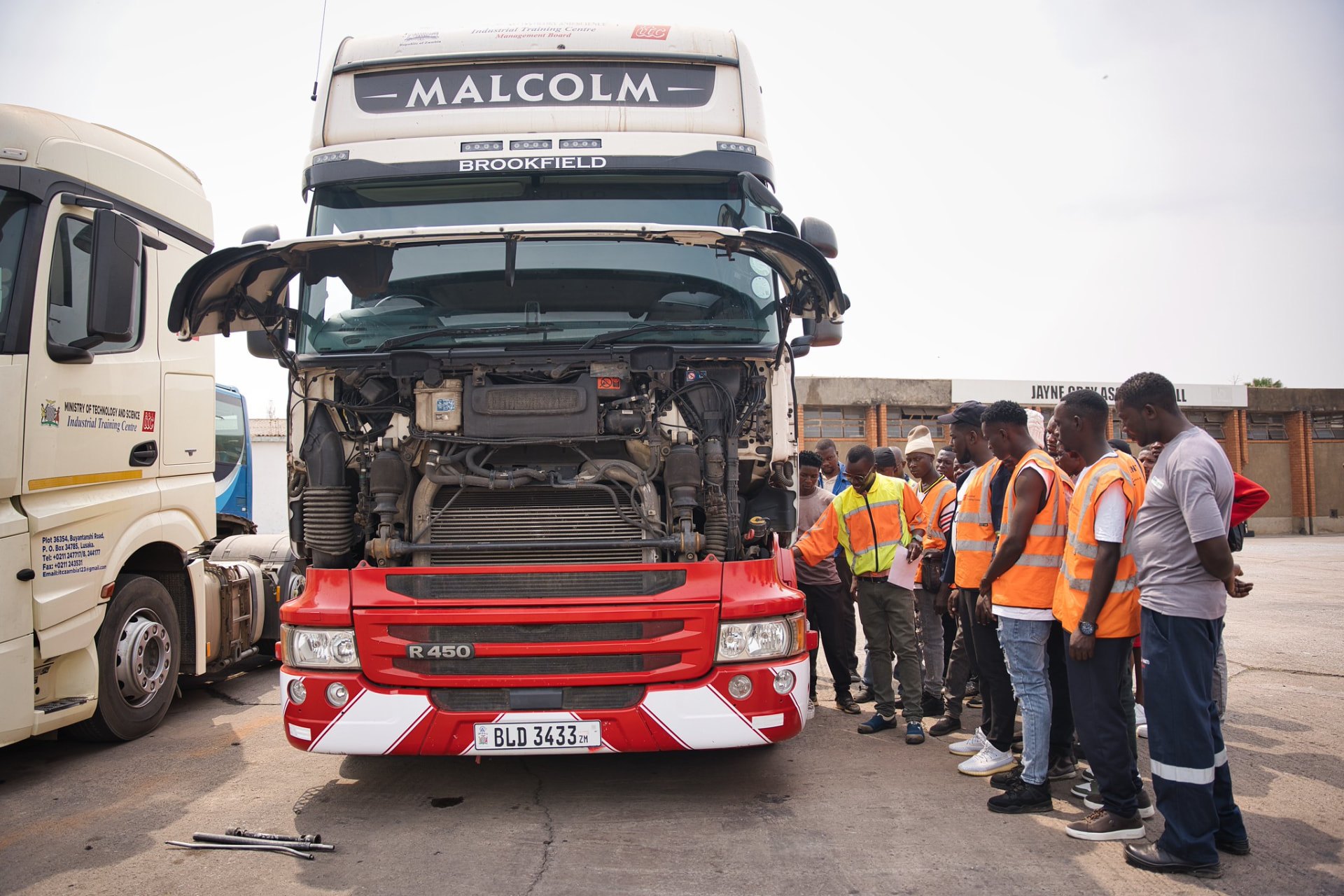
Professional drivers move goods and people across the continent. Ohno says 8,092 drivers and riders were trained in 2025 through partner centres in Ghana, Uganda, Tanzania and Zambia, bringing the total to more than 80,000, alongside over 400 trainers. In Ghana, almost 8,000 drivers were reached through education built on the new national Heavy Goods Vehicle training standard. In Uganda, women make up 10 per cent of trainees at a specialist school Transaid set up in 2018, a small share in a male-dominated trade, but a meaningful one.
The Helmet Question
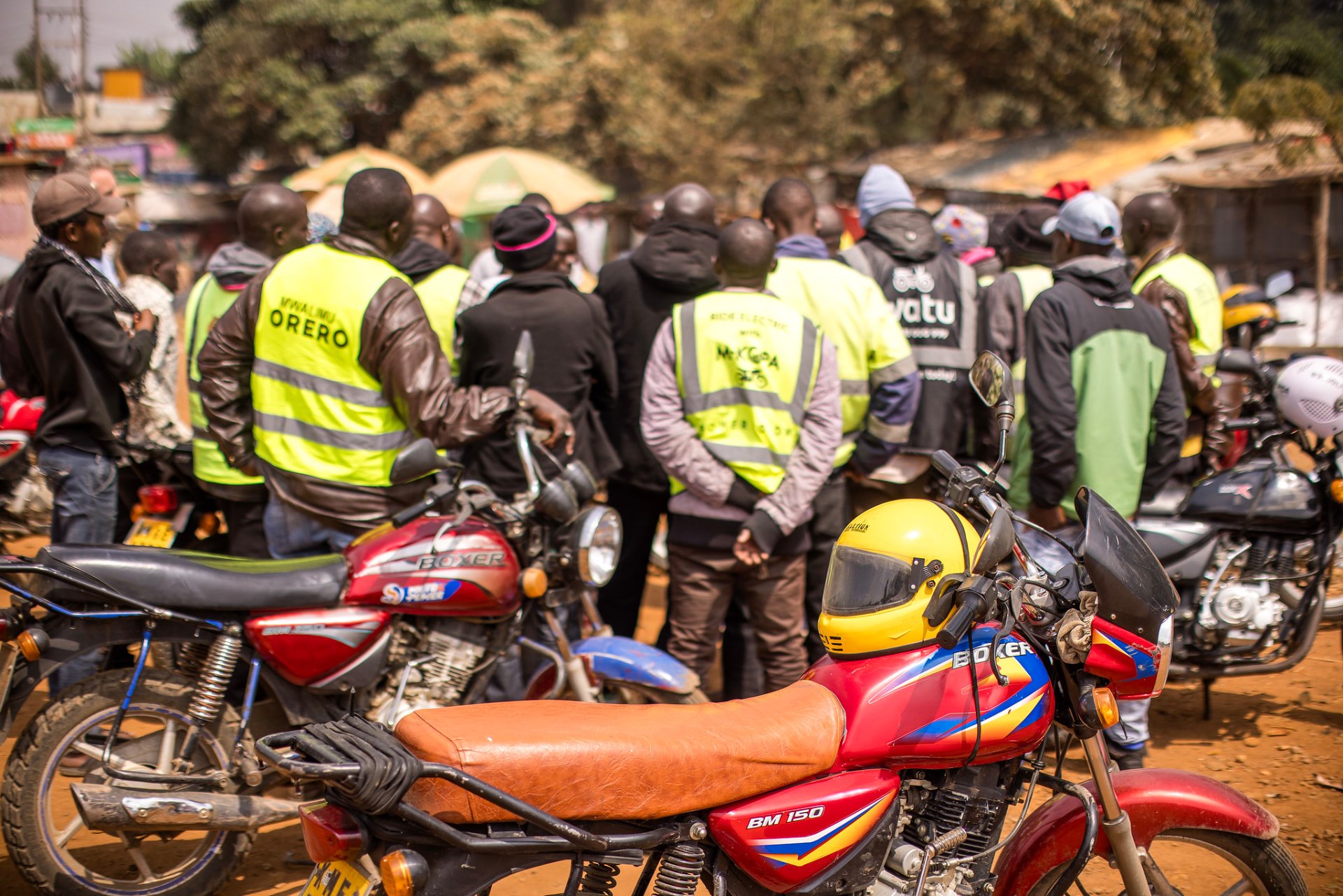
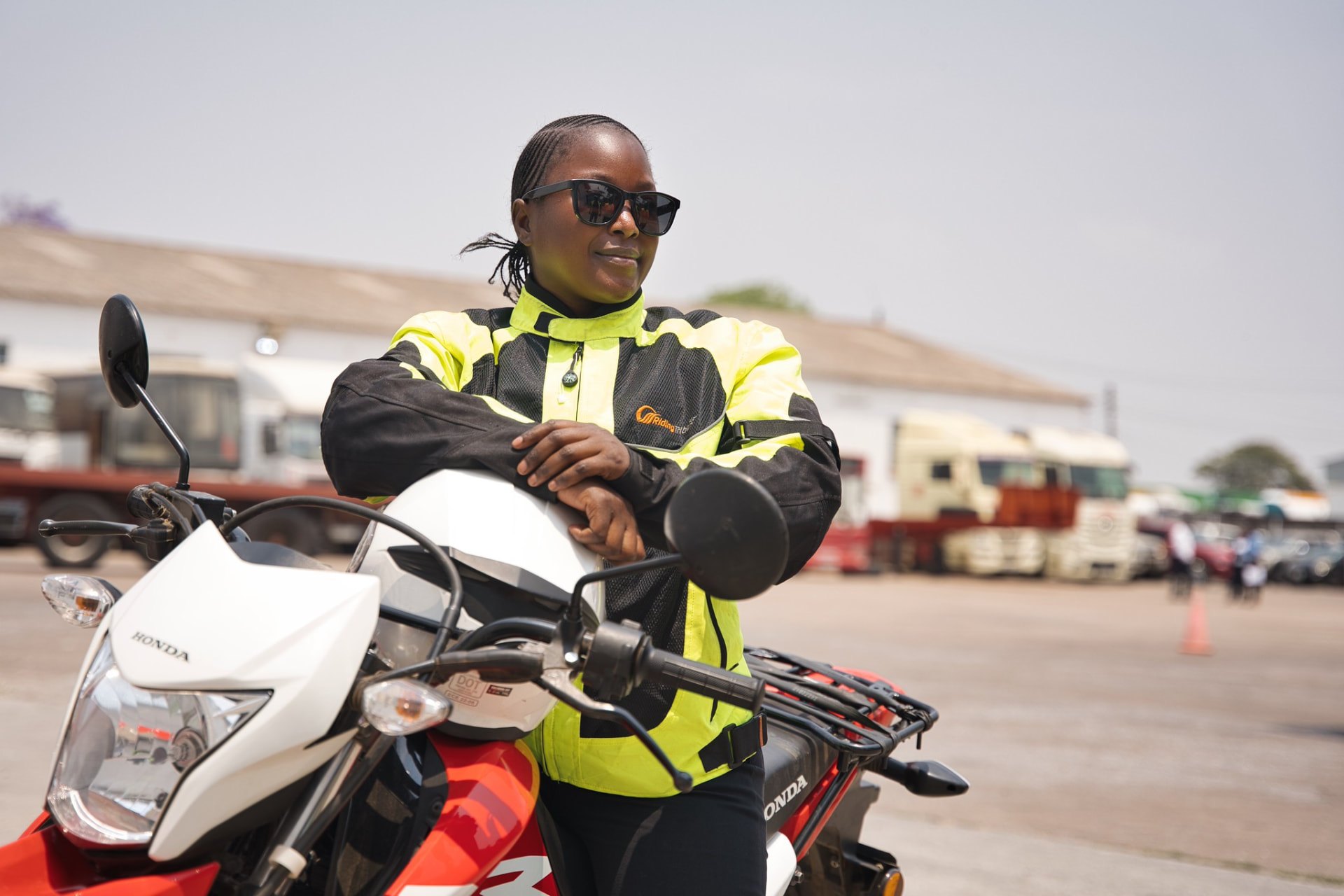
Motorcycles are a lifeline across much of Africa and a leading source of danger. In Kenya, Transaid helped create the National Helmet Wearing Coalition, which unites 17 organisations, from government agencies to rider associations. Its research helped win a helmet testing laboratory, now a government objective for 2028 with World Bank funding agreed. Last year, a helmet safety campaign reached more than 23,000 riders.
In Ghana, Transaid is working with national authorities on a road map to speed up compliance with the helmet standard introduced in February 2026. With the FIA Foundation, it also co-founded the Safe African Helmets Initiative, a platform for governments whose summits in Kenya and Ghana have drawn 145 delegates.
Seeing the Road Clearly
Some of Transaid's most practical interventions are also the most modest. Through its driver wellbeing programme in Kenya, it has supported more than 5,300 eye tests and provided 1,280 pairs of corrective glasses to professional drivers and roadside communities.
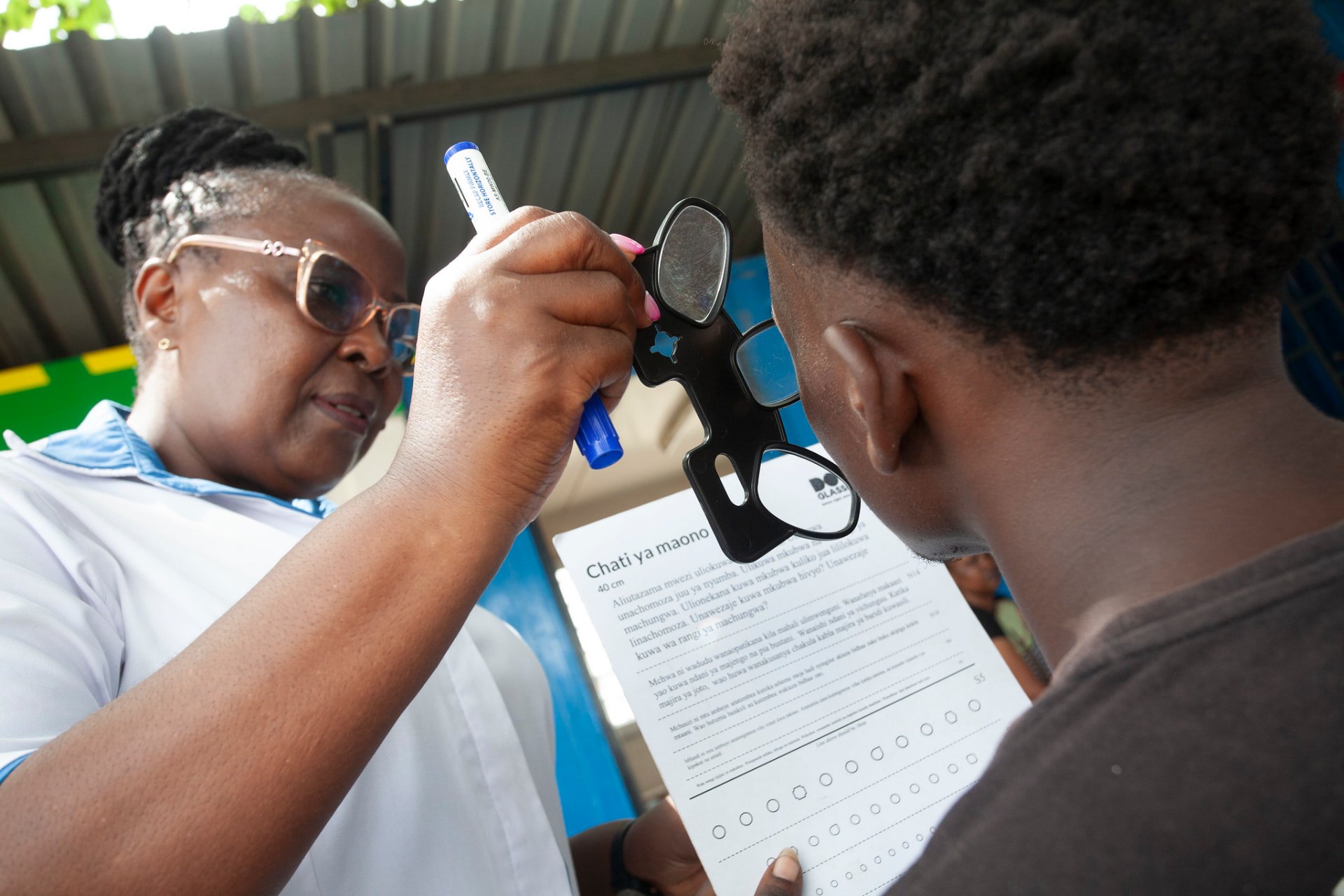
For driver Fani Evans, the change was immediate. He used to depend on strangers to read his cargo documents. Now he reads them himself, with new confidence and security. The programme has expanded to Uganda and Tanzania, and its benefits cross borders: Ohno notes a driver from Namibia recently had his eyes tested at a partner clinic in Tanzania.
The Bicycle That Carries a Mother to Safety
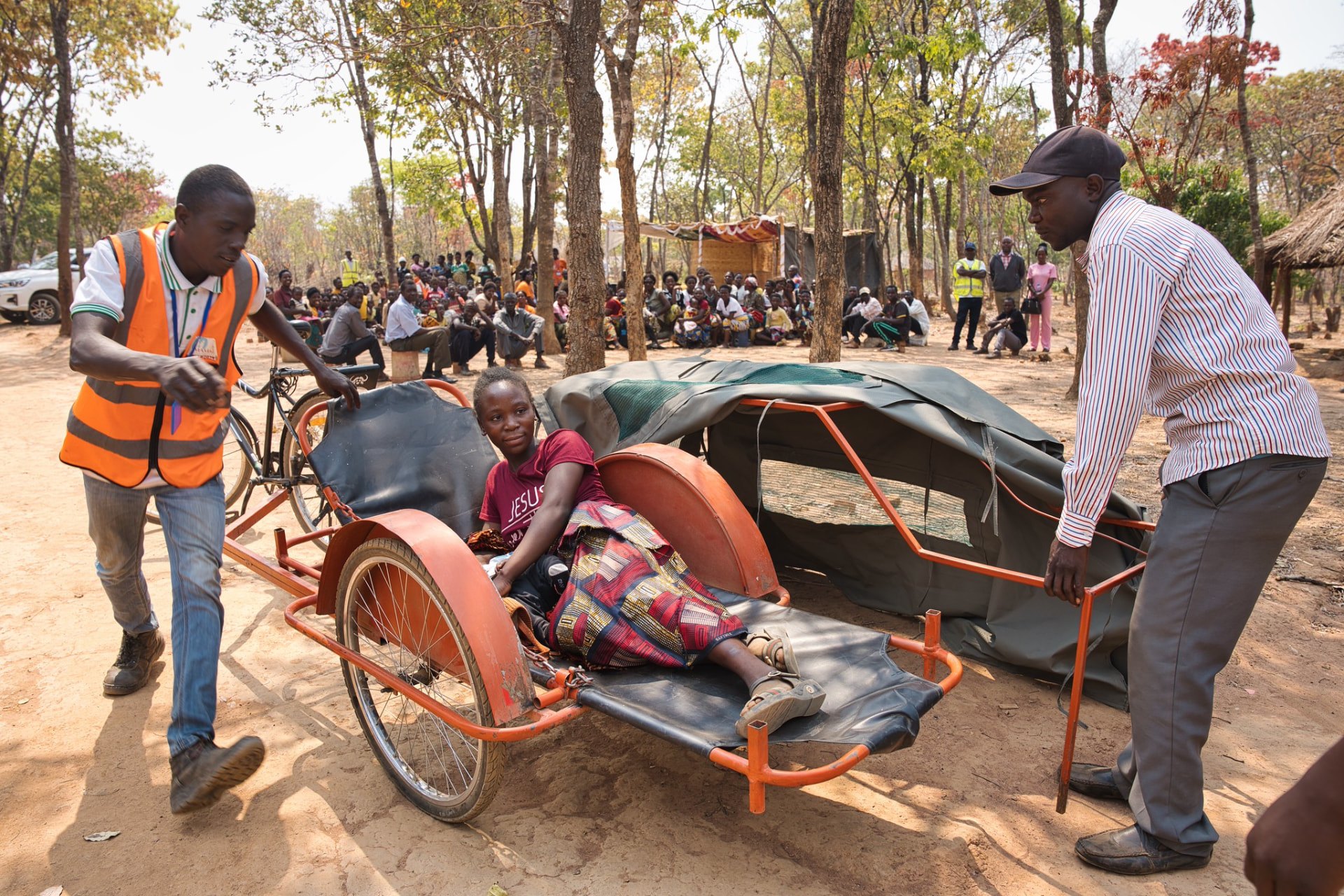
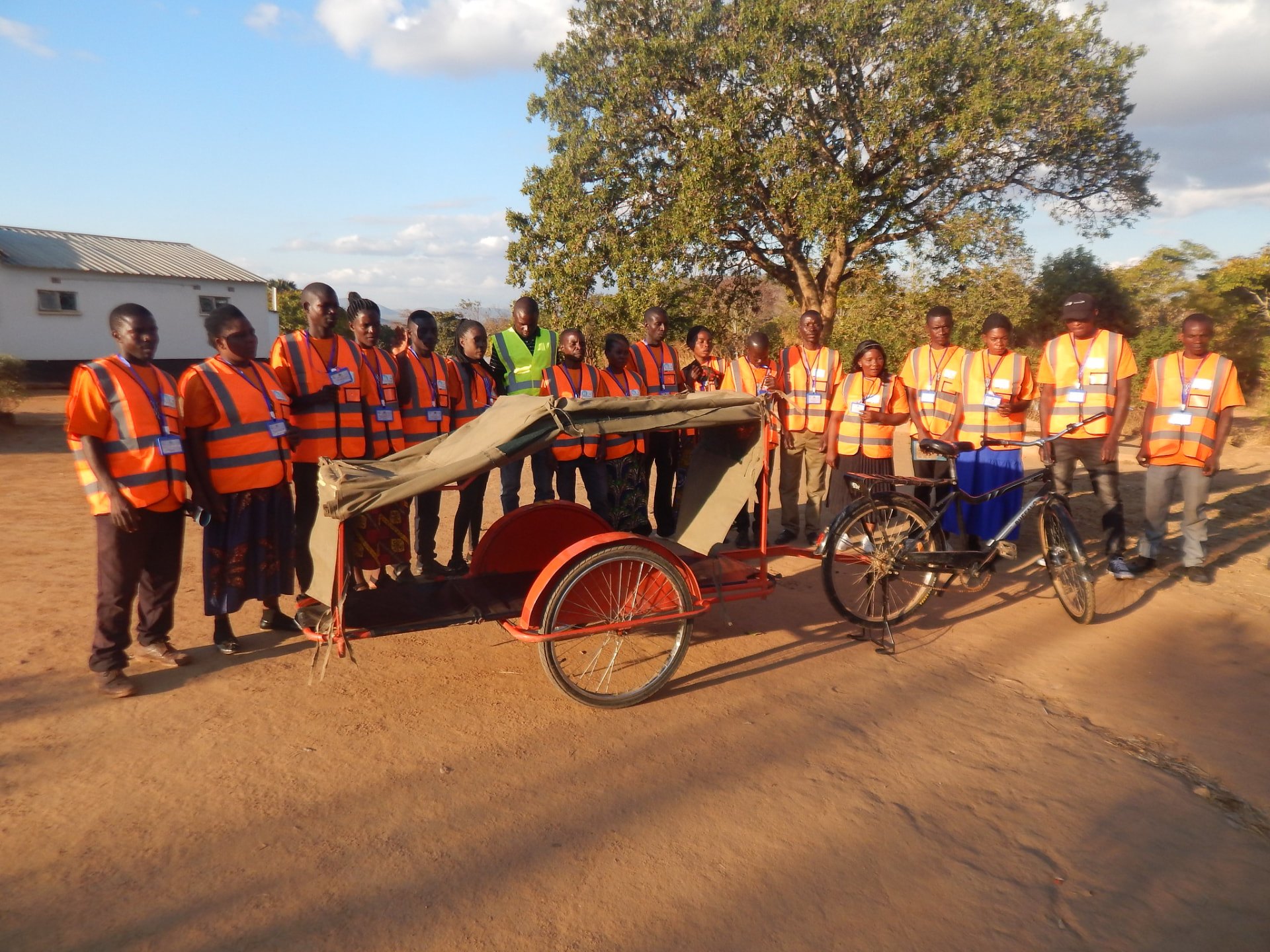
The most striking part of Transaid's work may be its bicycle ambulances in Zambia. Since 2010, it has supplied them to more than 150 rural communities, reaching over a million people. Volunteer riders and community health volunteers, trained by Transaid, assess patients where no professional health worker is available. The scheme is run entirely by the communities, with riders on call around the clock.
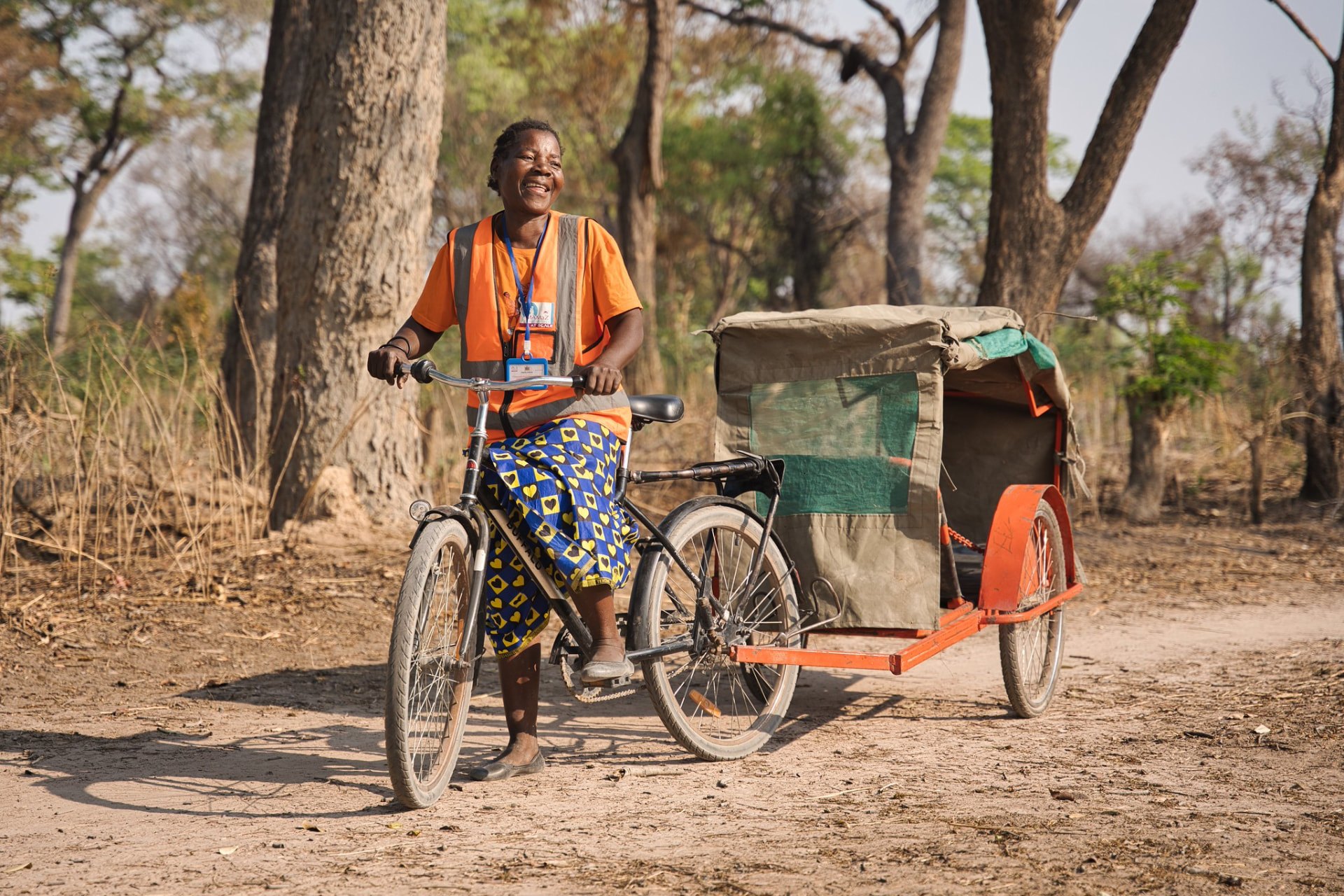
The results are measurable. Skilled birth attendance in the areas served has risen from 46 per cent to 78 per cent, and severe malaria case fatality has fallen by 90 per cent across eight districts.
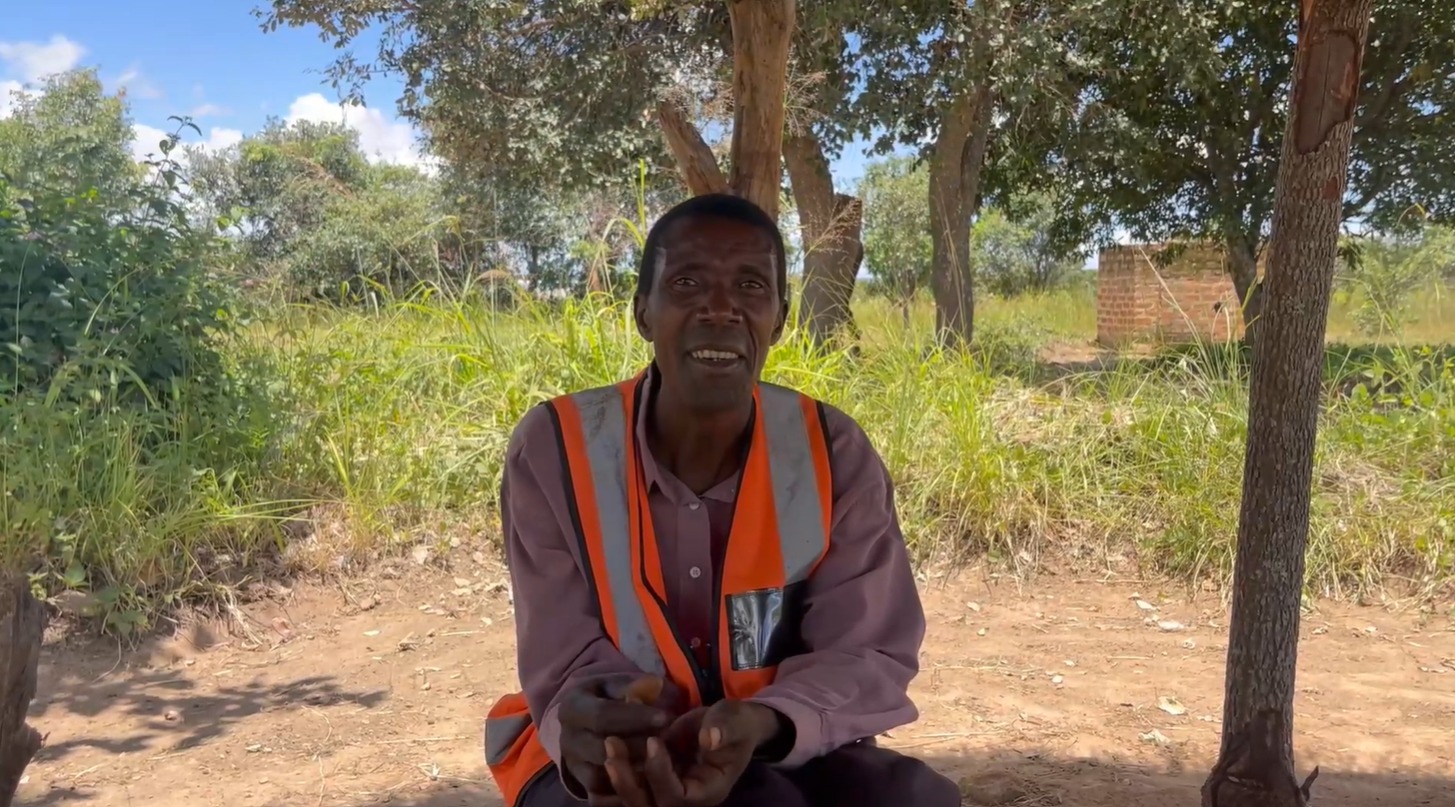
Behind those figures are people. In Serenje District, rider Philemon carried an unconscious mother and her newborn 13 kilometres to a health facility after a home delivery. Both survived.
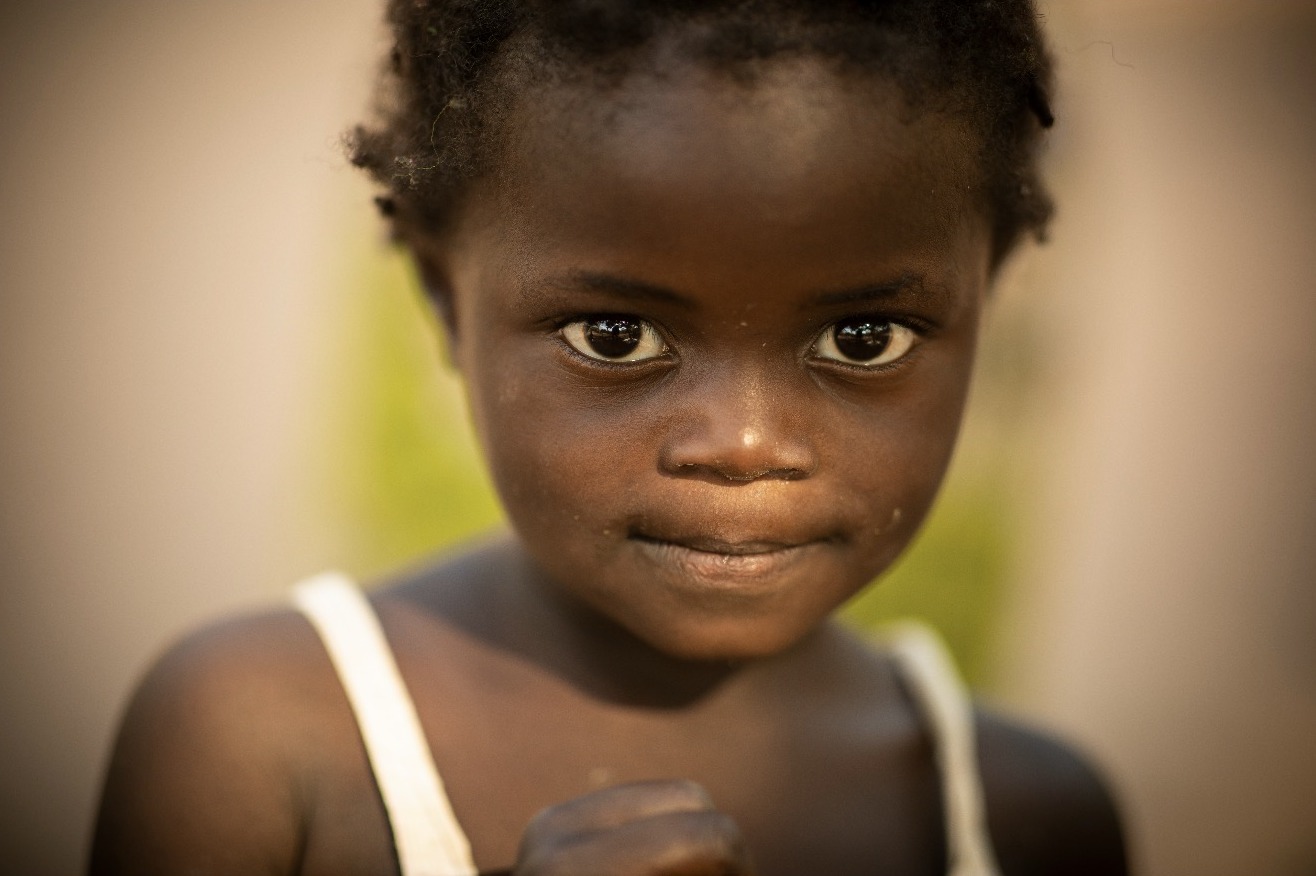
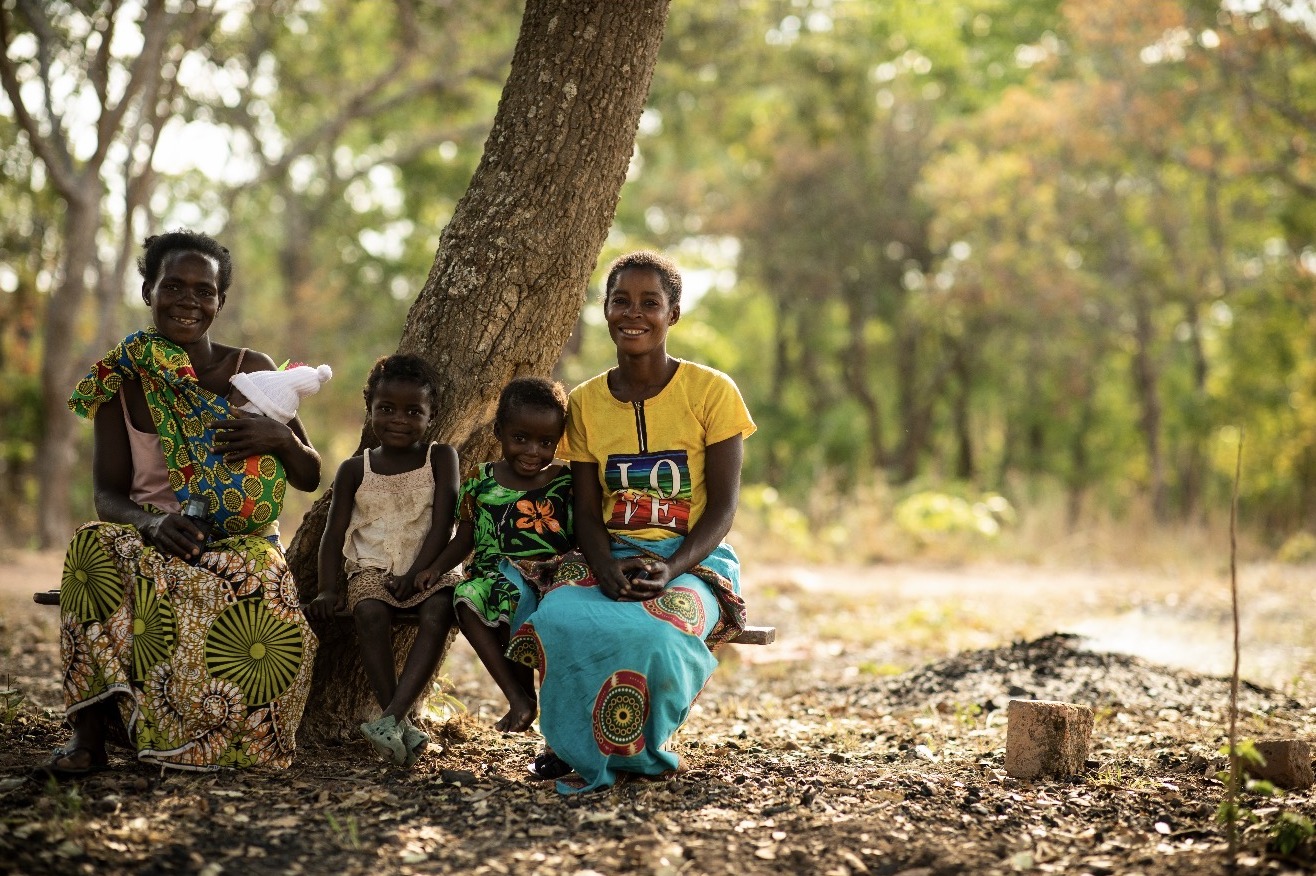
When Nana developed a high fever and convulsions, her aunt Idess Mwape, a community health volunteer, recognised severe malaria, ran a rapid test, gave pre-referral treatment and took her to a clinic by bicycle ambulance. Nana recovered. Minivah, in labour, was carried two hours to Kalela Rural Health Post, where she gave birth to a son, Trust, the next morning.
Lessons From the Ground
In September 2026, Transaid's team in Serenje and Chitambo districts deployed six new bicycle ambulances and trained 12 riders, six custodians and 23 community health volunteers. The main lesson, staff say, is that bicycles alone are not enough. Trust must be built with communities, volunteers trained properly and local health authorities involved from the start. Watching communities take ownership is what makes the work rewarding, and what keeps emergency transport running.
What a Donation Does
This festive season, Transaid is running its annual Christmas Appeal. Ohno explains that gifts are not tied to a single programme, so the charity can respond to emerging priorities across driver training, motorcycle safety, eye care for commercial drivers and community-led emergency transport. The costs are small: £3 could fund a high-visibility vest for a driver in Ghana, £10 an eye test and glasses in Kenya, and £700 a bicycle ambulance in Zambia.
Supporters who would like their gift to go to a specific programme can contact info@transaid.org.
Transaid's argument is easy to follow. A safer driver, a protected rider, a clear pair of eyes or a bicycle with a trained volunteer can decide whether a mother and child reach a clinic in time. For communities along some of the world's most dangerous roads, that can mean everything.
About the author
The Vantage Desk is the newsroom team at Vantage Magazine.