Opinion & Perspective
The Burnham Moment: What Britain's New Prime Minister Means for Diaspora Communities
Andy Burnham becomes Britain's seventh Prime Minister since 2016. For diaspora communities, the real test is not the speeches; it is whether government finally listens.
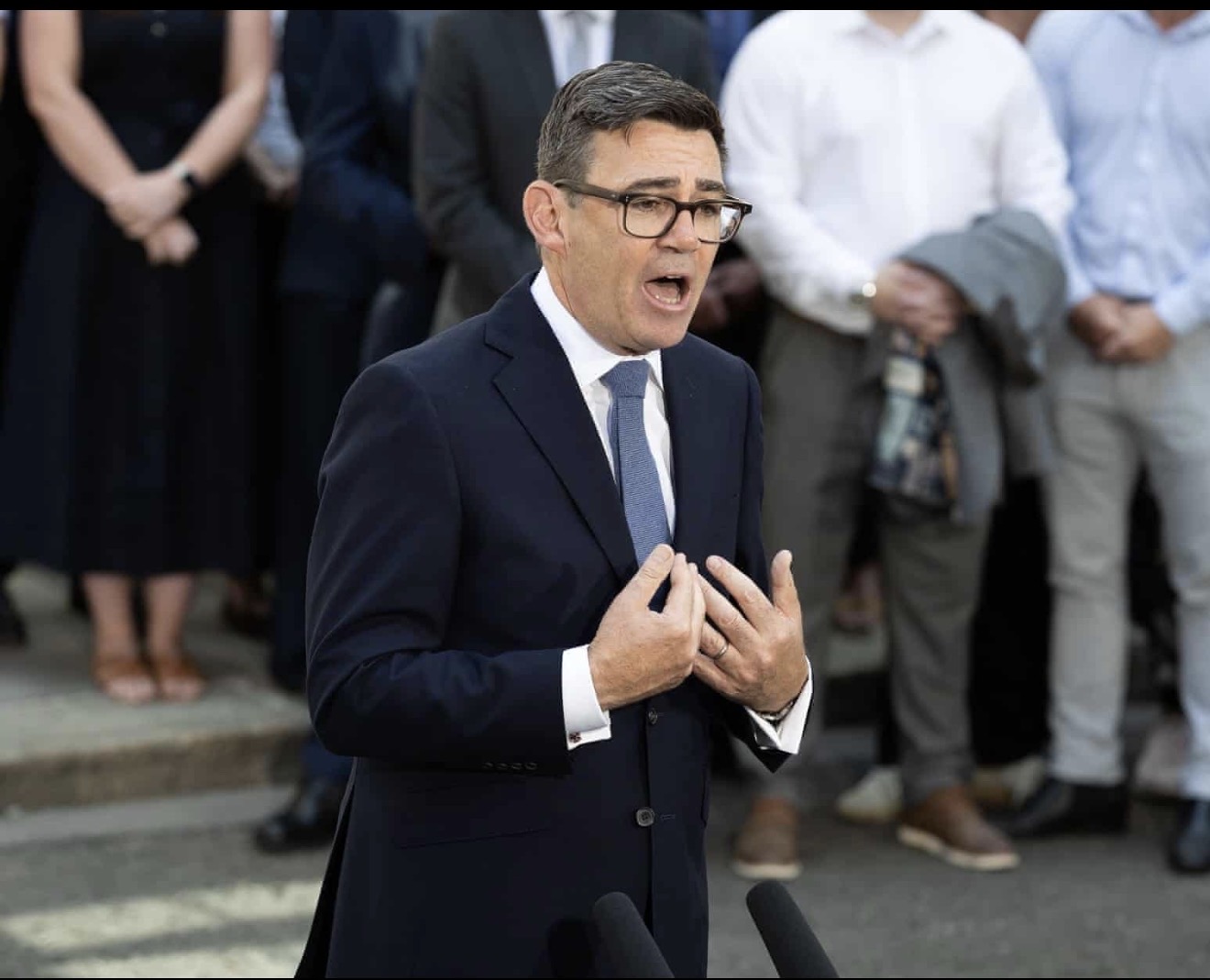
Andy Burnham arrived in Downing Street promising to reset Britain after years of political upheaval, economic uncertainty and growing public frustration. Whether he can deliver remains to be seen, but his appointment already marks an important moment. He becomes Britain's seventh Prime Minister since 2016, a remarkable level of political turnover for a country that once prided itself on stability.
For Britain's diaspora communities, those years have often felt especially unsettled. The fallout from Brexit, the lingering injustice of the Windrush scandal, the lessons of Grenfell, rising living costs and increasingly divisive political rhetoric have all shaped everyday life. Many people from Black, Asian and other minority communities remain deeply committed to Britain, while also feeling that too many national conversations happen around them rather than with them.
That is why Burnham's premiership means more than another change of leadership. It is an opportunity to ask whether Britain is finally ready to build a politics that genuinely reflects the people who make up modern Britain.
Bringing Power Closer to Communities
One of Burnham's defining political beliefs has always been that too much power sits in Westminster. As Mayor of Greater Manchester, he repeatedly argued that local leaders understand their communities far better than ministers in London. If he follows through on that philosophy nationally, it could have real significance for diaspora communities.
Cities such as Manchester, Birmingham, Leicester and London are home to some of Britain's most diverse populations. These communities are not only shaping local culture but also driving business, education and innovation. Giving councils and metro mayors greater control over housing, transport, skills, policing and investment could make government feel more responsive to the people it serves. It would also create more opportunities for community organisations, campaigners and local leaders to influence decisions without relying on Westminster to notice them.
Burnham's record in Manchester suggests he is comfortable working with grassroots organisations and listening to local concerns. Replicating that approach across the country would not solve every problem overnight, but it could make government feel less distant and more accountable.
An Economy That Includes Everyone
Burnham has also set out an ambitious long-term vision to rebuild Britain's industrial base. If successful, it could reshape parts of the economy that have struggled for decades. That matters for diaspora communities because they have long contributed to Britain's economic success while often facing barriers that others do not. Minority-owned businesses have helped transform sectors including retail, logistics, hospitality, technology and the creative industries, yet many entrepreneurs still struggle to access investment, finance and government support.
A new industrial strategy could create genuine opportunities if it is designed with inclusion in mind. Investment in regional economies could help businesses grow outside London. Expanded vocational training and apprenticeships could open more doors for young people. Infrastructure projects could bring jobs to communities that have been overlooked for years. Greater backing for small businesses could allow many diaspora entrepreneurs to scale companies that already contribute significantly to local economies.
The challenge, however, is making sure these benefits reach the people who need them most. Britain's history is full of ambitious economic plans whose rewards were unevenly shared. Burnham's government will ultimately be judged not simply by the amount it spends, but by who benefits.
“Britain's diversity is one of its greatest strengths. Recognising that requires more than symbolic gestures. It demands policies that address both economic and racial inequalities honestly.”
Belonging Still Matters
Economic policy alone cannot answer deeper questions about identity and belonging. Many people from Britain's Black and Asian communities say they feel increasingly asked to explain where they belong, despite generations of contribution to British life. Campaigners have warned that conversations around race and national identity have become noticeably more tense in recent years.
Burnham has spoken about lowering the temperature of British politics and rebuilding trust. If he is serious about that goal, difficult conversations cannot be avoided. The Windrush generation still deserves full justice. Disparities in policing continue to undermine confidence. Representation across public life remains uneven, while parts of the media continue to reinforce harmful stereotypes.
Burnham's politics have traditionally focused on class and inequality. That approach resonates because many diaspora communities have experienced both economic disadvantage and racial discrimination. But tackling one without acknowledging the other would leave the job unfinished. Britain's diversity is one of its greatest strengths. Recognising that requires more than symbolic gestures. It demands policies that address both economic and racial inequalities honestly.
A Different Kind of Foreign Policy?
Foreign policy is often discussed as though it exists separately from life at home. In reality, Britain's diaspora communities maintain close family, business and cultural ties across Africa, the Caribbean, the Middle East and South Asia. Those connections increasingly shape trade, investment and diplomacy.
Burnham is unlikely to rewrite British foreign policy overnight. But his experience leading one of Europe's most diverse cities may encourage a more community-focused approach to international engagement. That could mean stronger partnerships with African nations, renewed efforts to rebuild trust with Caribbean communities after Windrush, deeper engagement with Middle Eastern and South Asian communities, and greater recognition of the role diaspora networks already play in promoting trade, investment and cultural exchange.
Britain's multicultural identity is no longer a domestic issue alone. It is becoming an increasingly important part of how the country engages with the wider world.
More Than a Political Reset
Burnham has not presented himself as the candidate of Britain's diaspora communities, nor should he. His programme is aimed at the country as a whole. Yet that may be exactly why this moment matters. If his promises on devolution, economic renewal and public trust translate into meaningful action, diaspora communities could be among the biggest beneficiaries. Not because they receive special treatment, but because many of the barriers they face are rooted in the wider inequalities that have held Britain back for years.
The real test will not be the speeches delivered from Downing Street. It will be whether families across Britain's diverse communities begin to feel that government sees them, listens to them and invests in their future. After years of political instability, that would be a meaningful reset not only for Britain's diaspora communities, but for the country itself.
About the author
Victor Ikoli writes long-form features for Vantage on identity, culture and the African diaspora.