Opinion & Perspective
Nigeria's Passport Crisis in the UK Needs a Permanent Fix, Not Another Intervention
The Nigeria Immigration Service's intervention team is welcome. But when the same backlog returns every year, the intervention stops being a solution and becomes part of the problem.
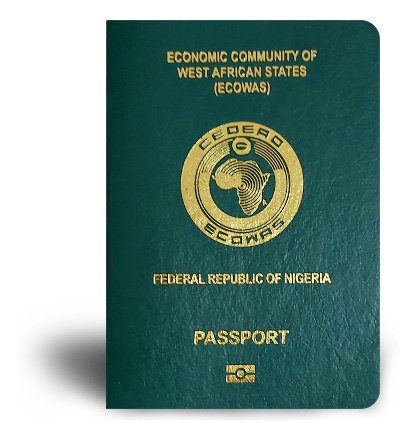
The Nigeria Immigration Service's (NIS) decision to dispatch a Passport Intervention Team to the United Kingdom on 10 August is undoubtedly a positive development. It is particularly welcome for Nigerians who have waited months to apply for a new passport or to receive long-delayed ones. Having immigration officers on the ground should speed up the process and ease the concerns of those who have been waiting.
However, there is a persistent issue with celebrating another intervention. We have been through this before.
A similar exercise was conducted in December 2025. Yet here we are again, facing passport backlogs, long waiting times, and Nigerians travelling hundreds of miles to London just to access a service that should not be so difficult.
At what point do we stop calling these interventions a solution and start admitting that they are becoming part of the problem?
The word “intervention” itself says it all. It is a response to something that has gone wrong. It is not a substitute for a functioning, permanent system.
Nigerians in Britain do not have a temporary need for passports. People will continue to renew expired passports, replace lost documents, enrol their biometrics and apply for new ones. The demand is not going away.
So why does the system keep treating it as though the demand has caught everyone by surprise? For some Nigerians, the frustration goes well beyond waiting.
One person recounted spending money on train fares and hotel accommodation solely to reach London and obtain a passport. Another described paying roughly £190 for a passport renewal, only to be given an appointment months later, then spending a further £120 on an emergency travel certificate in order to travel to Nigeria.
That is not a minor inconvenience. For a family already dealing with the rising cost of living, it is a significant expense. And Britain is not a small country.
A Nigerian living in Glasgow should not have to travel all the way to London to apply for or collect a passport. Nor should those living in Cardiff, Edinburgh, Newcastle, Leeds or Manchester. This is where Nigeria needs to begin thinking differently.
Why not establish permanent biometric and passport service centres in other parts of the UK?
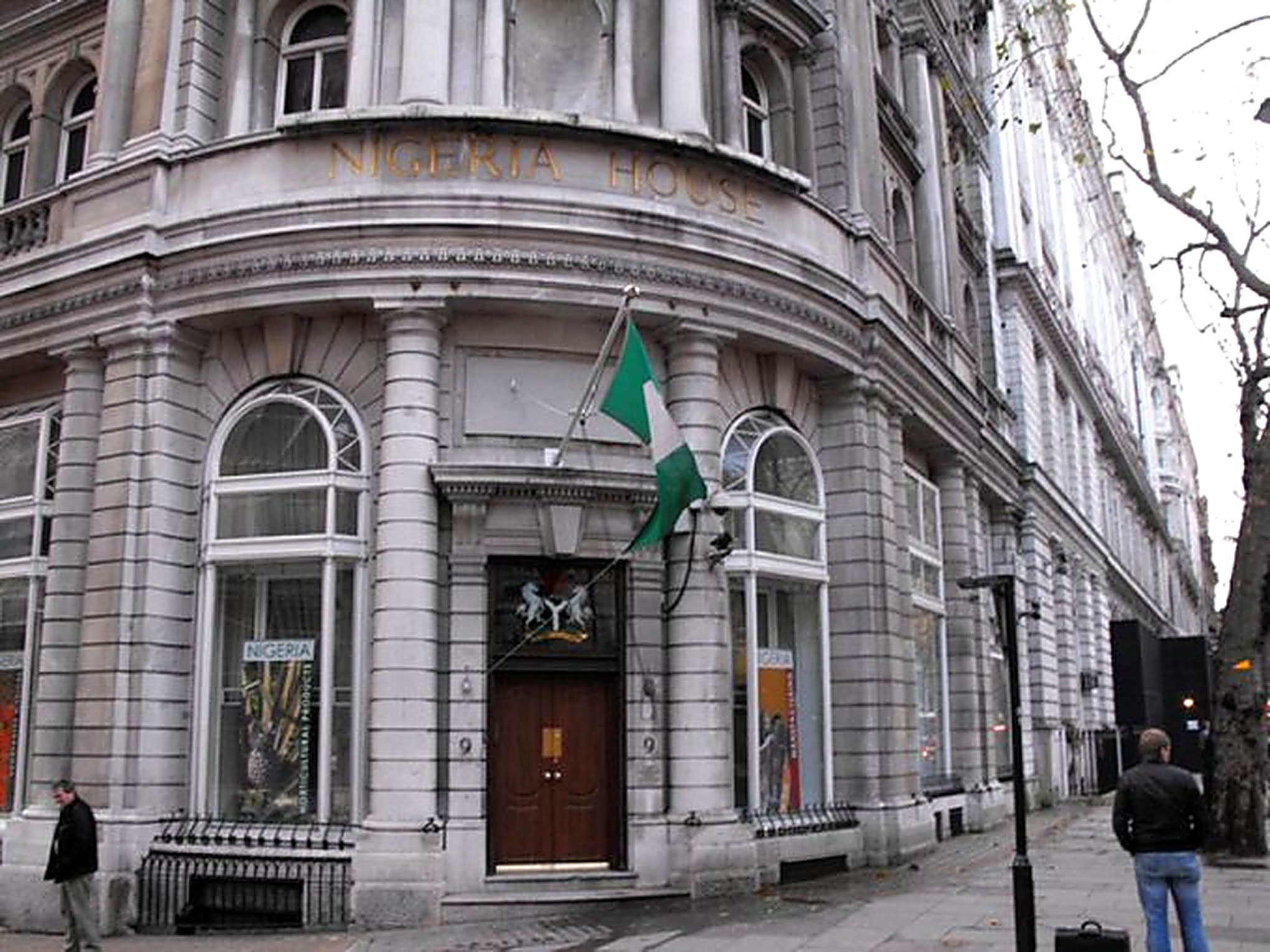
The Nigerian population is not concentrated in London. There are sizeable communities across England, Scotland, Wales and Northern Ireland. A properly decentralised system could take pressure off Nigeria House in London while saving applicants the time and expense of travelling to the capital. Manchester, Birmingham, Leeds, Glasgow, Edinburgh, Cardiff and Newcastle would all be worth considering.
There is already a model Nigeria can look at. The National Identity Management Commission has increasingly used decentralised enrolment and service points. The same principle could be applied to passport services abroad.
“Nigeria needs to move from intervention to infrastructure.”
Yes, additional centres would cost money. They would require staff, equipment, secure biometric infrastructure and proper oversight. But so does repeatedly sending intervention teams to clear the same backlog. At some point, the cost of treating symptoms surpasses the cost of addressing the underlying problem.
Then there is communication, which remains one of the biggest frustrations. Nigerians have complained about unanswered emails and difficulty reaching the Nigerian High Commission. Some say they have struggled to get basic information about their applications. That should not happen.
A consular service dealing with passports and travel documents needs a reliable telephone line and a responsive email system. People should not have to search social media or depend on community WhatsApp groups to find out what is happening with their applications.
The latest intervention has already generated another obvious question: where exactly will the team operate? Announcing that officers are coming to the UK is only part of the information applicants need. If someone in Newcastle, Glasgow or Cardiff is expected to travel for an appointment, they need the venue and date early enough to arrange transport, accommodation, time off work and childcare.
It is also difficult to inspire confidence in a contactless application system when some Nigerians say they have tried to use it and found that it simply does not work for them. A digital service is supposed to make life easier. If people cannot actually use it, it becomes another source of frustration.
And then there is the human side of the service. Technology will not solve everything. The officers dealing with applicants need to be properly trained, not only in passport procedures but in dealing with members of the public.
Imagine travelling for several hours, spending hundreds of pounds and taking time off work, only to arrive at an office and feel that your concerns are treated as an inconvenience. Public service should mean exactly that: service to the public.
Nigerians living abroad contribute significantly to Nigeria through remittances, investment, skills and regular engagement with the country. A passport is not a luxury. It is a basic document that allows people to travel, work, study and maintain those connections. They should not have to beg, complain or spend hundreds of pounds travelling across Britain to obtain one.
So yes, the latest intervention deserves to be welcomed. But it should also be treated as a warning. If another intervention is required next year, we should not simply praise the team for coming again. We should ask why it had to come in the first place.
The NIS already has the information it needs. It knows the volume of applications. It knows where Nigerians live. It knows that demand extends far beyond London. What is missing is the decision to build a system around that reality.
Nigeria needs to move from intervention to infrastructure. That means permanent biometric and passport centres outside London. It means better communication channels. It means properly trained staff. It means digital systems that actually work. And it means publishing clear information early enough for applicants to make proper arrangements.
Most importantly, it means recognising that Nigerians in the UK are not a temporary population requiring occasional emergency assistance. They are part of a permanent and important Nigerian diaspora.
The latest intervention may help clear today's backlog. But unless the underlying system changes, another backlog will follow, another intervention will be announced and Nigerians will once again be asked to travel, wait and spend money for something that should be straightforward.
That is not a sustainable passport service. It is a cycle. And Nigeria needs to break it.
About the author
Founder and Editor-in-Chief of Vantage Magazine.