Culture
Millions of People with African Roots Can Now Search Britain's Slave-Trade Records
A newly digitised archive of nearly four million records of enslaved people could help African and Caribbean families piece together histories that were lost, broken up or deliberately erased.
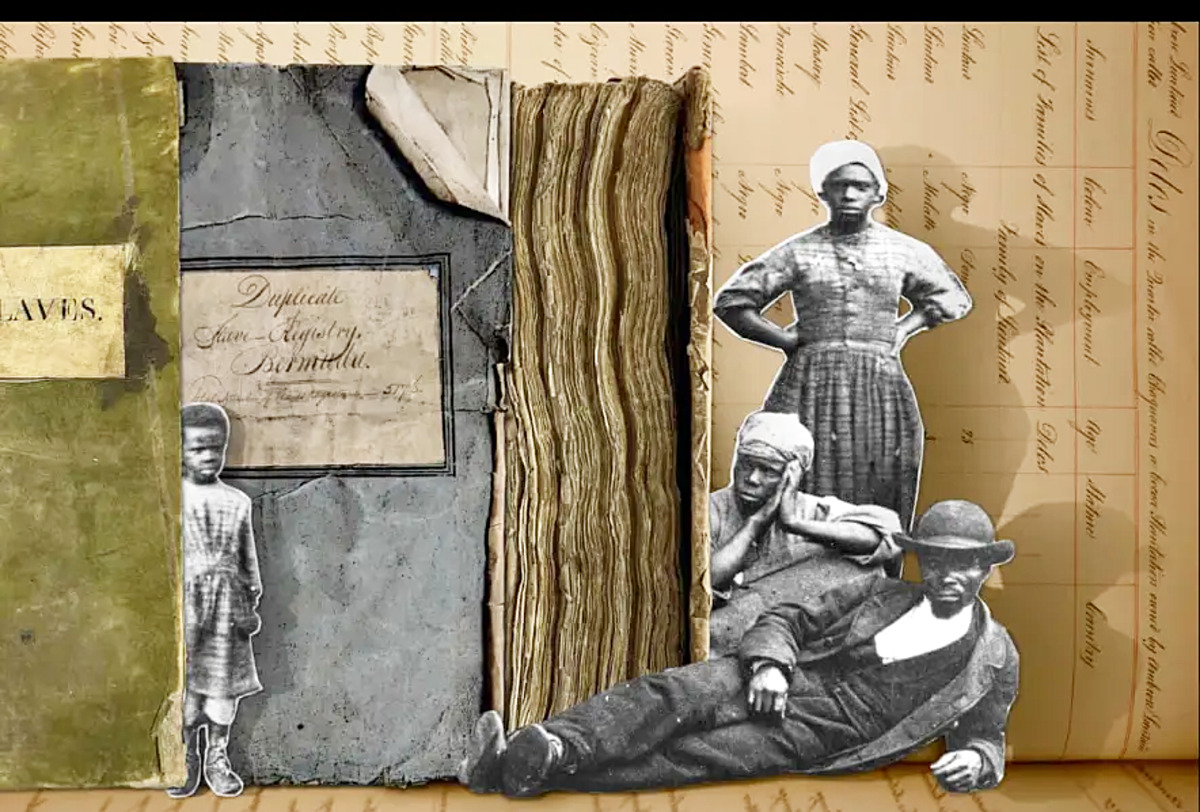
For generations, tracing a family affected by the transatlantic slave trade has meant hitting the same painful wall. Names vanished. Families were split up. The records that did exist were written to control people, not to remember them.
Now millions of those records can be searched online.
According to The Guardian, nearly four million records covering enslaved people in 20 former British colonies have been digitised through a partnership between UCL’s Centre for the Study of the Legacies of British Slavery and the genealogy company Ancestry.
The collection is called the Former British Colonies Enslavement Registers. It runs to almost 300,000 digitised pages and covers the years 1813 to 1840.
For descendants across the African and Caribbean diaspora, this is about more than research. It could help them reconnect names, relationships and scraps of family history.
Records Built for Control
The registers date back to Britain’s efforts to regulate slavery after Parliament abolished the transatlantic slave trade in 1807. The government used them to keep track of enslaved populations in the colonies and to stop illegal trafficking.
That makes them uncomfortable documents. They came out of a system that treated people as property.
Yet the same pages can now help descendants learn about the people behind the figures.
The registers list names, ages, genders, physical descriptions and family links. Some note whether a person was African or Creole, and others record births, deaths and changes of ownership. Occasionally they point to a person’s African origins, according to UCL.
A system designed for control can now double as a source of family history.
Professor Matthew Smith, who directs the UCL Centre for the Study of the Legacies of British Slavery, describes the collection as the most systematic set of archival documents on enslavement in the British Caribbean and the wider British colonial world.
That matters because slavery did more than move people from one place to another. It tore families apart, changed names and separated generations. Descendants were left asking where their ancestors came from and how they ended up in the Caribbean and elsewhere.
Seeing Slavery Differently
Conversations about Britain’s part in slavery have long focused on ships, plantations, merchants, politicians and wealthy families. Those stories still matter.
But this archive shifts the attention to the people who were enslaved. Instead of treating millions of Africans as a statistic, researchers and descendants can start recovering individual lives: a name, an age, a mother, a child, a place, a family connection, a record of someone being moved.
“A system designed for control can now double as a source of family history.”
Details like these change how we understand the history.
UCL researchers are already using the material to study communities in Jamaica and follow families across several generations. The university’s Valuable Lives project is also building a free, open-access database of people recorded as enslaved in Jamaica between 1817 and 1832, UCL says.
For African and Caribbean communities in Britain, that opens up a lot. Plenty of families hold stories handed down over generations, but oral history frays with time. Names change, documents go missing, and migration makes links harder to prove.
The new records won’t fix all of that. They could, though, add one more piece to the puzzle.
What It Means for Africans in Britain
The records mainly cover people enslaved in former British colonies, especially in the Caribbean. They are not a full record of people taken directly from every part of Africa, and the archive shouldn’t be described as a database of every African taken in the transatlantic slave trade.
What it does offer is a way for descendants of enslaved people in former British colonies to research specific family histories.
For Britain’s African and Caribbean diaspora, that can feel deeply personal. A family in Newcastle, London, Birmingham or Manchester might have roots in Jamaica, Barbados, Trinidad, the Bahamas, South Africa or another colony in the collection. Some already know the island or community their family came from. Others have only a surname or an old family story. This database gives them somewhere to begin.
Britain’s Slave Traders Are Being Mapped Too
The release comes as researchers take a fresh look at Britain’s role in the trade. In September, historians published the Register of British Slave Traders, which names around 13,000 people who invested in trafficking enslaved Africans over almost 250 years. Researchers found identifying details and historical records for thousands of them, The Guardian reports.
Together, the two projects show both sides of the same history. One identifies the people who financed the trade. The other helps recover the lives of some of the people they enslaved. And it gets harder to treat that history as abstract numbers once real names and family ties start appearing.
A Resource for the Diaspora
You can search the records through Ancestry with a free account, UCL says.
Expect to need some patience, though. Spellings of historical names vary, the records use language that reflects the prejudices of the time, and one family may show up under different names in different documents. Researchers also caution that the registers only show part of the picture and should be checked against newspapers, parish records, wills, plantation records and other archives.
Even so, a small discovery can mean a great deal to a descendant. Finding an ancestor’s name doesn’t undo what was done to them, but it gives back something slavery tried to take: their individuality.
For centuries, enslaved Africans were counted, sorted and logged as property. Now their descendants can search those same records and ask a different question: who were they?
For millions across the African and Caribbean diaspora, the answer may be sitting in Britain’s archives.
Source
The GuardianAbout the author
The Vantage Desk is the newsroom team at Vantage Magazine.