Sport
Africa in the Crossfire: How Manchester City's 114-Charge Crisis Now Sits at the Heart of UAE–UK Power Politics
With City's appeal underway, the club's youth projects in Lagos, Johannesburg, Nairobi, Rabat and Luanda, and its African stars, show why the case matters far beyond the Etihad.
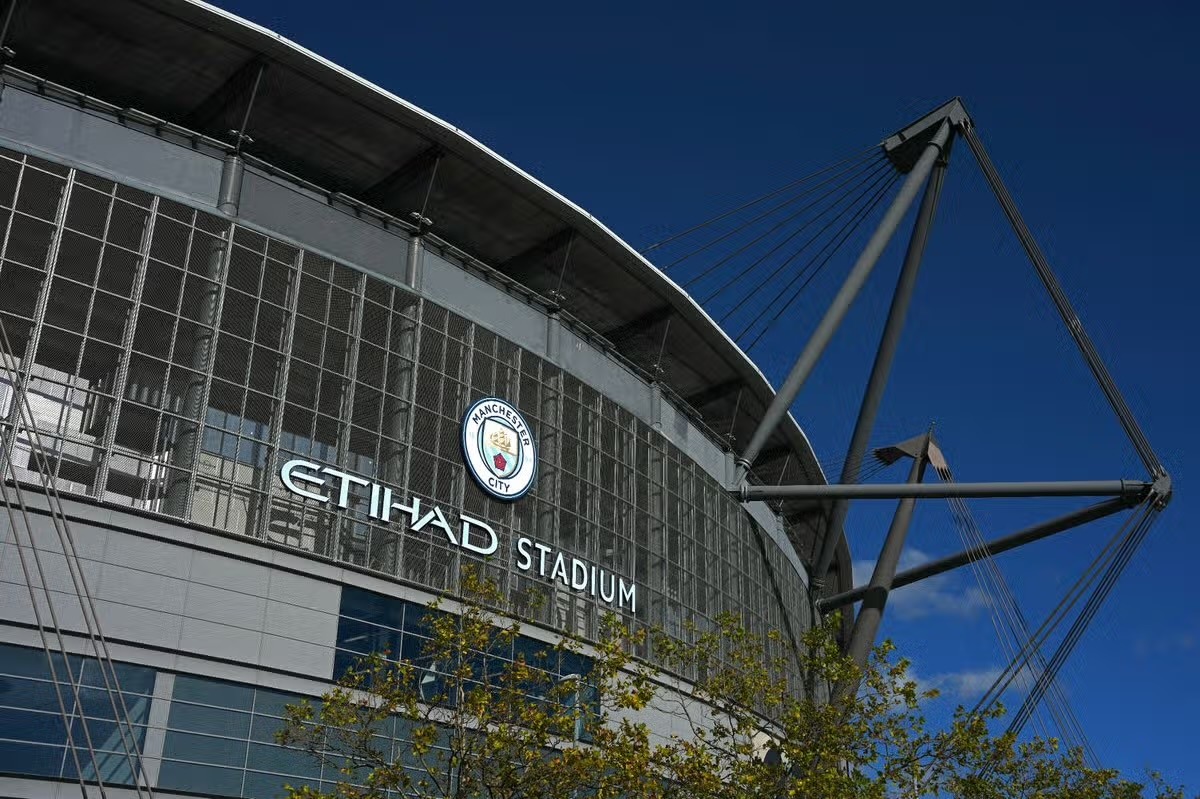
The Manchester City saga has transcended the club’s boundaries after the Premier League upheld 114 out of the 115 charges against it regarding its financial regulations.
This development has raised serious questions about the very essence of football, the influence of state-linked finances, and the true source of funding for the sport.
The Citizens have invested years in building a network that extends far beyond the Etihad Stadium. They run youth programmes, commercial partnerships, and community projects, and their scouts actively search for young talent worldwide.
Now, the Abu Dhabi ownership is facing renewed scrutiny, and there are reports suggesting that the UAE might reconsider some of its significant investments in the UK. Consequently, people are beginning to contemplate the potential consequences for the entire City Football Group network if a major change were to occur.
The independent commission found that the City Football Club engaged in “sham” commercial deals, filed misstated accounts, and violated Premier League and UEFA spending limits between the 2009/10 and 2017/18 seasons. In response, City Football Club has appealed the ruling, asserting that it contains “clear material errors of law, principle, and fact.”
The appeal matters as the club stated it is innocent of the accusations made by the Premier League and a comprehensive body of irrefutable evidence exists in support of all of its positions, relating to this case.
But it's already spilling out of football.
A Global Football Business
Sheikh Mansour, based in Abu Dhabi, acquired City in 2008. Since then, the club has become the epicenter of a larger operation.
City Football Group now holds stakes in clubs across Europe, the Americas, Australia, and Asia. Its model revolves around developing talent, fostering commercial growth, and contributing to community well-being.
Africa is now a part of this endeavour, and it goes beyond merely identifying the next Premier League star.
City has been actively involved in youth and community projects across various cities, including Lagos, Johannesburg, Nairobi, Rabat, and Luanda. Recently, they partnered with the appliance manufacturer Midea to establish community football projects in all five cities. City in the Community coaches collaborate with local groups and young leaders to facilitate these initiatives.
In Lagos, young people have been receiving leadership training through a programme in partnership with the FAME Foundation. This initiative integrates football with education and community work, empowering young individuals to take on leadership roles.
In Johannesburg, the City has collaborated with Tackle Africa and Diski Nine9 to develop youth leadership programmes. Additionally, a refurbished community pitch was inaugurated in Soweto.
I’m not suggesting that African football solely depends on City. It’s a more complex situation. However, it demonstrates that City’s connection to Africa goes beyond simply acquiring players.
What if the Money Changes?
Here's where the controversy starts to matter.
Currently, there’s no indication that African youth programmes are being cancelled or that African players at City will be affected by the ruling. It’s important to remember that the appeal is still ongoing, and its outcome remains uncertain.
However, if the appeal were to conclude with significant changes in City’s ownership, spending limits, or investment strategies, these changes could potentially ripple through the entire international network. This could impact scouting, academy partnerships, grassroots programmes, and commercial projects.
For a young African footballer, the primary concern isn’t whether City Football Club signs him. Instead, it’s whether the broader range of opportunities remains accessible.
The path to success has become globalised. A talented teenager begins their journey at a local academy, transitions to a professional club, and eventually joins an international scouting system, ultimately aiming for a career in Europe.
“The continent cannot rely on a single European club, investor, or commercial partner to develop its football infrastructure.”
Manchester City’s academy approach focuses on identifying and nurturing talent early on, developing players over the long term, and integrating them into the global network. This strategy creates opportunities and ensures that decisions made at the highest levels have a lasting impact throughout the organisation.
African Players Are Already There
City's squad shows how close the ties are.
Rayan Aït-Nouri, an Algerian international, joined the club from Wolves. Egypt’s Omar Marmoush has been part of the squad but is currently on loan to Tottenham. Ghana’s Antoine Semenyo is one of the more recent signings.
City’s World Cup 2026 coverage featured Aït-Nouri representing Algeria, Marmoush representing Egypt, and Semenyo representing Ghana. Riyad Mahrez, who later moved to Saudi Arabia, remains a prime example of an African player who achieved significant recognition at the club.
These players are part of a long-standing narrative between African talent and the Premier League. English clubs have been the most prominent destination for African players aspiring to reach the pinnacle of football. City has been particularly influential in this regard.
If City change their recruitment strategy, it could affect African players. This doesn’t mean they would cease signing Africans; rather, different budgets, squad plans, or scouting priorities would simply shift the competition for the same positions.
The Bigger African Question
There’s another aspect of African football that deserves more attention: why has it consistently struggled to retain the financial value generated by its talent? While players emerge from African academies and local communities, the majority of their value is realised after they move abroad. This underscores the significance of grassroots investment.
City’s projects in Lagos, Johannesburg, Nairobi, Rabat, and Luanda demonstrate how a major European club can engage in such significant endeavours.
The question for African football shouldn’t simply be, “What happens to Manchester City?” Instead, it should be, “What happens to the programmes and partnerships that African communities have established with these global organisations?”
African football authorities should learn from this lesson. The continent cannot rely on a single European club, investor, or commercial partner to develop its football infrastructure.
Outside money can bring facilities, coaching expertise, and international connections. However, for development to endure, it’s crucial to establish robust local institutions that can continue functioning even after an investor withdraws their support. This might be the most significant takeaway from all this.
Beyond the Etihad
The politics surrounding the story make it even more significant.
There are reports suggesting that UAE officials have warned the UK about the Premier League’s handling of Manchester City, which could potentially strain the relationship between the two nations. The Guardian has reported that the UAE might reconsider significant UK investments, and it was revealed that City chairman Khaldoon Al Mubarak had met with Business Secretary Jonathan Reynolds in September to discuss UAE investment opportunities in Britain.
Al Mubarak occupies an unusual position where football, investment, and diplomacy converge. As the chairman of City and the chief executive of Mubadala, Abu Dhabi’s sovereign wealth fund, he plays a pivotal role in these fields. Notably, the Financial Times reported that the UAE has committed a substantial £30 billion through a sovereign investment partnership with the United Kingdom.
It’s understandable that this has escalated beyond a mere Premier League disciplinary matter. However, for Africa, it shouldn’t solely be a geopolitical issue. What truly matters is the impact on the football connections between global clubs and African communities.
If you’re a young player in Lagos, Johannesburg, or Nairobi, an ownership fight thousands of miles away may seem distant. However, considering the current dynamics of football’s financial landscape, it’s closer than it appears.
The City case serves as a stark reminder that the financial backing of elite football extends far beyond the trophies displayed in the trophy cabinet. It influences the establishment of academies, the development of scouting networks, the implementation of community programmes, the negotiation of commercial deals, and ultimately, the pathways available to the next generation of African footballers. Currently, there’s no indication that these pathways are being restricted.
With City’s appeal underway and growing concerns about the ownership and the UK-UAE relationship, African football has good reason to closely monitor the developments that follow.
About the author
Victor Ikoli is the Founder and Editor-in-Chief of Vantage Magazine.