Vantage Briefings
Nigeria High Commission to Refund £20 After Controversial £70 Passport Fee Sparks Outrage
Applicants charged £70 during the passport intervention exercise will get £20 back, bringing the charge in line with the officially approved rate.
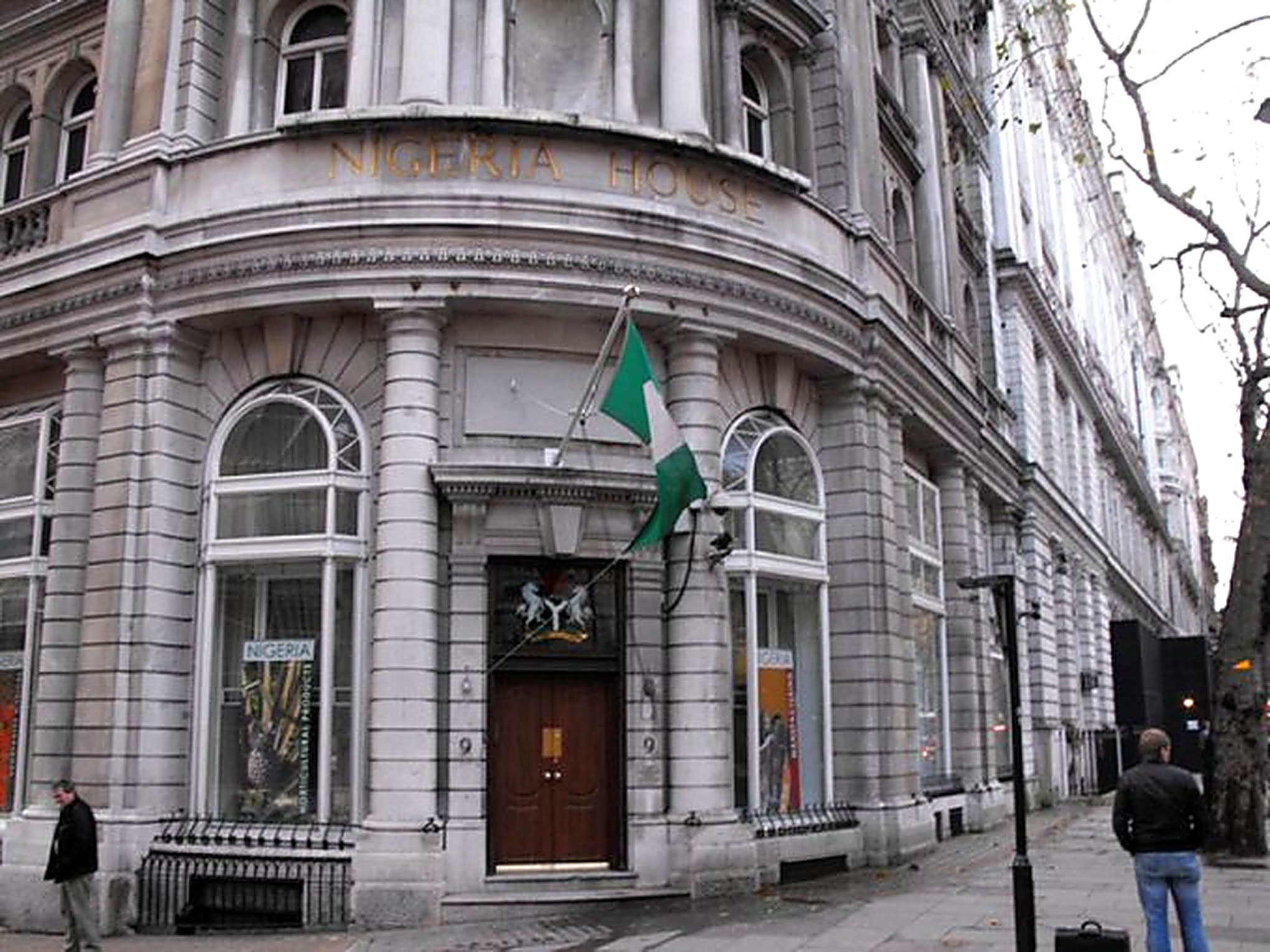
The Nigeria High Commission has confirmed that applicants who paid the controversial £70 administrative fee during its recent passport intervention exercise will receive a £20 refund, bringing the charge back in line with the officially approved rate.
The decision follows weeks of backlash from Nigerians across the United Kingdom, after the High Commission imposed the £70 fee without clear authorisation. Diaspora groups and applicants criticised the fee as excessive and unauthorised, especially given long delays and overcrowding at intervention centres. Following widespread protests, the Commission reduced the fee to £20 on September 9, 2026, though many applicants were not formally notified, with the change only appearing on its website.
The controversy stems from a directive issued under former President Muhammadu Buhari, which capped such charges at £20 for diplomatic missions hosting passport interventions. The High Commission's £70 fee was reportedly introduced without approval from the Ministry of Foreign Affairs, creating conflict with the earlier directive. Applicants seeking replacements for lost passports were also charged £150, further fuelling anger. Even after the reduction, questions remain over whether the new £20 fee duplicates the existing £20 administrative charge already stipulated under Buhari's directive.
What was meant to be a nationwide intervention to clear passport backlogs instead descended into operational chaos. Centres in London, Manchester, Aberdeen and Cardiff were overwhelmed from the outset. Applicants endured hours-long queues, cramped waiting areas and equipment shortages — with some London venues operating with just one biometric capture machine. At one location, police were called in to control the swelling crowd. Officials later admitted that fees were collected from roughly 3,000 applicants, despite facilities capable of processing fewer than 300 people per day.
Interior Minister Olubunmi Tunji-Ojo publicly distanced himself from the fee, stating he had no knowledge of any approved administrative charge. He expressed concern about the inconvenience Nigerians faced and confirmed consultations with the Ministry of Foreign Affairs to resolve the issue. The High Commission later suspended biometric capturing in London, directing applicants to alternative centres, but confusion over charges and communication continues to frustrate the diaspora community.
About the author
Vantage Desk is the newsroom team of Vantage Magazine.