Vantage Briefings
More Than 176,000 Nigerians Granted British Citizenship Since 2005
Home Office figures put Nigeria among the biggest sources of new British citizens, ranking first in Africa and third globally behind India and Pakistan.
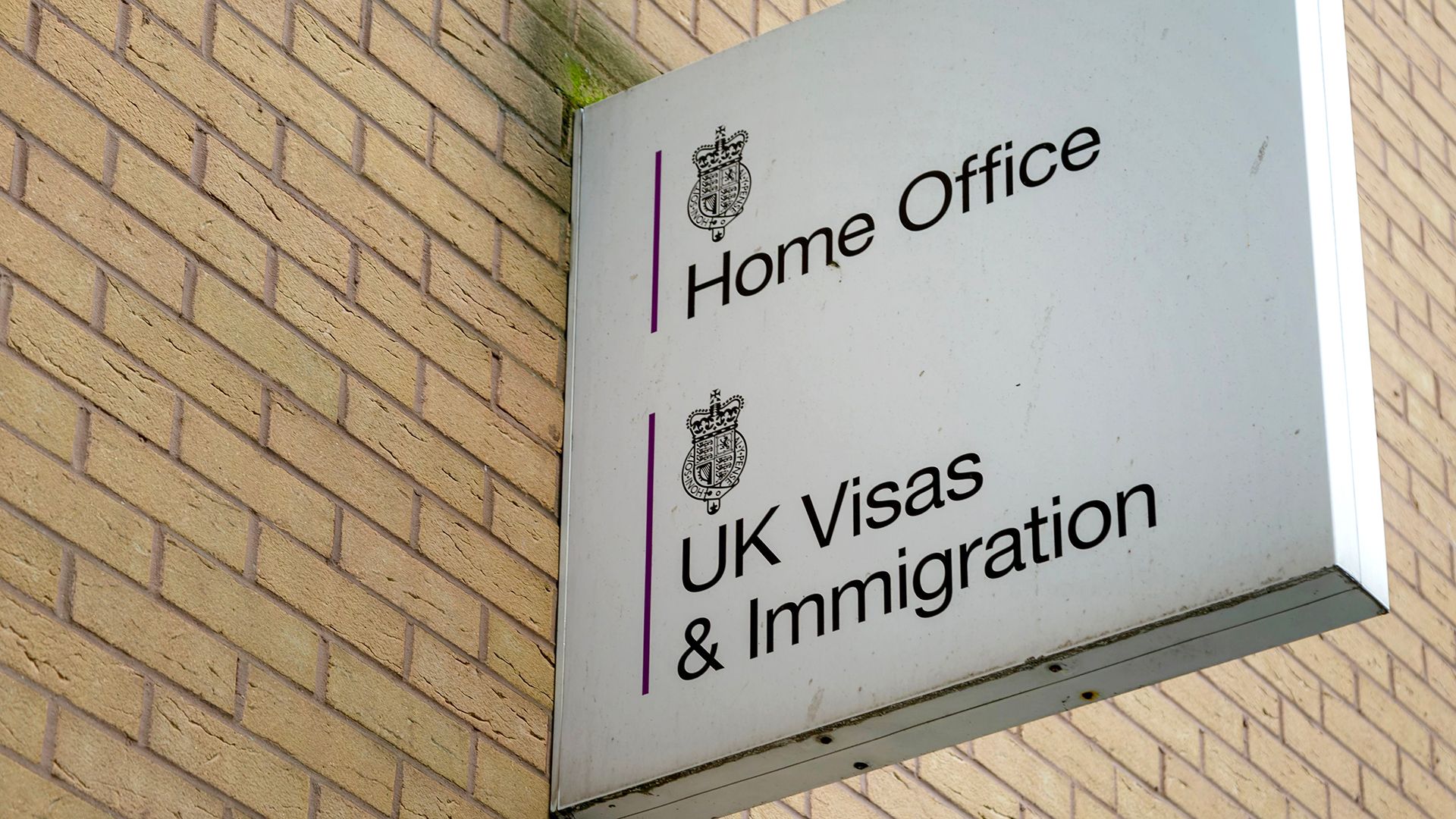
More than 176,000 Nigerians were granted British citizenship between 2005 and the first quarter of 2026, putting Nigeria among the biggest sources of new British citizens over the period, according to Home Office figures.
The total of 176,537 citizenship grants makes Nigeria the highest-ranked African nationality in the figures, ahead of South Africa, with 128,156 grants, and Somalia, with 86,972.
Globally, Nigeria ranks third, behind India, which recorded 428,577 citizenship grants, and Pakistan, with 321,580.
The figures come from the Home Office’s Cit_D02 citizenship dataset, which records grants of British citizenship by nationality, application type, sex and age. The Home Office’s citizenship statistics cover the period from 2005, when the current time series began.
The latest Home Office release, covering the year ending March 2026, recorded 236,512 grants of British citizenship across all nationalities. Although that was a 12 per cent fall from the previous year, it remained the second-highest annual total recorded since 2005.
Nigeria remains one of the leading nationalities in the citizenship figures. Alongside India and Pakistan, Nigerians accounted for almost a quarter of all citizenship grants to the three largest nationalities in the latest year.
The data also shows a substantial rise in applications from Nigerians in recent years.
Nigerians submitted 201,077 citizenship applications over the period covered by the analysis, placing Nigeria ahead of every other African nationality and third globally, behind India, with 459,678 applications, and Pakistan, with 355,113.
The rise in applications and grants reflects the growing number of Nigerians who have moved to Britain for work, study, family reasons and other routes and subsequently become eligible to apply for citizenship.
Citizenship is generally a later stage in the immigration journey. Applicants normally need to meet residence and other eligibility requirements, with naturalisation being the main route for adults who have lived lawfully in the UK for the required period. Registration is another route, and is commonly used by children and people with a particular connection to Britain.
For Nigerians, the figures show how significantly the community has grown within Britain’s wider migrant population.
“The figures count citizenship grants, not people living in Britain — but they show how deeply Nigerian migration has become part of modern British society.”
The annual numbers were relatively steady for much of the previous decade before increasing sharply in recent years. The analysis records 12,562 Nigerian citizenship grants in 2024, compared with 8,900 in 2023, a rise of about 41 per cent. The figure increased again to 12,620 in 2025.
In the first quarter of 2026, a further 3,001 Nigerians were granted British citizenship.
Applications also climbed, from 9,454 in 2022 to 10,668 in 2023, 12,530 in 2024 and 15,370 in 2025. A further 4,449 applications were recorded in the first quarter of 2026.
The longer-term figures provide a clearer picture of the scale of the change.
Nigerian citizenship applications stood at 8,794 in 2005 after recording 5,720 in 2004. They then moved broadly within the 5,000 to 10,000 range for much of the following years before rising more sharply in the 2020s.
Among the different routes to citizenship, naturalisation based on residence accounted for the largest share of Nigerian grants, with 58,680, or 33.2 per cent of the total.
Registration of minor children accounted for another 34,979 grants, while naturalisation based on marriage to a British citizen accounted for 20,583.
A further 8,219 grants came through registration on other grounds.
The latest Home Office statistics also underline the broader scale of Nigerian migration to Britain. Nigeria was among the three nationalities with the highest number of British citizenship grants in the year ending March 2026, alongside India and Pakistan.
The figures do not, however, represent the size of the Nigerian population in Britain. They count citizenship grants and applications, not the number of Nigerians currently living in the UK.
They also do not mean that every person counted necessarily arrived in Britain during the period. Some may have lived in the country for several years before becoming eligible for citizenship.
For a community that has become increasingly visible across Britain’s professional, business, academic, cultural and political life, the figures offer another measure of how deeply Nigerian migration has become part of modern British society.
About the author
Vantage Desk covers news across business, culture and the African diaspora.