Culture
40 Years of Nigerian Corner: Four Decades of Naija at Notting Hill Carnival
From a small meeting point in 1986 to a defining expression of Nigerian culture in Britain, the Nigerian Corner marks 40 years at Notting Hill Carnival.
For many Nigerians in Britain, Notting Hill Carnival transcends the parade, costumes, and music. It's also about finding one's own people.
For four decades, the Nigerian Corner has been a gathering place where this happens. It has grown from a small meeting point among Nigerians at Carnival into one of the most recognizable annual expressions of Nigerian culture in the UK.
Adela Street, a vibrant hub for Nigerians across Britain and beyond, has stood the test of time since its inception in 1986. As the Nigerian Corner celebrates its 40th anniversary this year, it continues to thrive amidst changing times, diverse generations, and various relocations.
This annual celebration is not just a joyous occasion, but also a poignant reminder of the rich tapestry of diaspora history that Adela Street represents. It serves as a testament to the resilience and enduring spirit of the Nigerian community, fostering a sense of belonging and unity among its members.
It started with Nigerians looking for Nigerians
The Nigerian Corner was not born from a major sponsorship deal or a carefully planned cultural programme. It emerged from the people themselves. In the early days, Nigerians attending Carnival found each other and began creating their own space within an event whose roots are firmly Caribbean but whose reach has always extended far beyond.
Among those who helped shape the early years was Tokunbo Odebunmi of Obalende Suya. Alongside volunteers and other community figures, he helped give the gathering some of the character it would carry into later decades.
And like most community institutions, the Corner changed as the people around it changed.
There was the BenTV era in 2003, with DJ Abass playing a prominent role. MTN became the first major sponsor in 2005. The Corner moved location in 2009. Then came the moments that helped connect it with Nigeria's rapidly changing popular culture.
Wande Coal made a memorable appearance in 2012. Olamide and Reminisce followed with a radio promotion the next year. By 2016, the term 'Lagos Corner' had emerged, making a comeback in 2024.
Each era brought its own unique music, personalities, and audience. However, the core concept remained remarkably straightforward: Nigerians craved a place at Carnival that resonated with their own culture and identity.
From a meeting point to a cultural fixture
Maintaining a community space for four decades is no small feat, even if it may sound straightforward now. The Nigerian Corner has evolved with the times, adapting to changes in music, audience preferences, and the broader landscape of Nigerian popular culture.
The generation that arrived in Britain in the 1980s and 1990s now stands alongside their children and grandchildren, many of whom have grown up with Afrobeats, social media, and a distinct relationship with both Britain and Nigeria. Despite these changes, the Corner has remained a familiar source of connection.
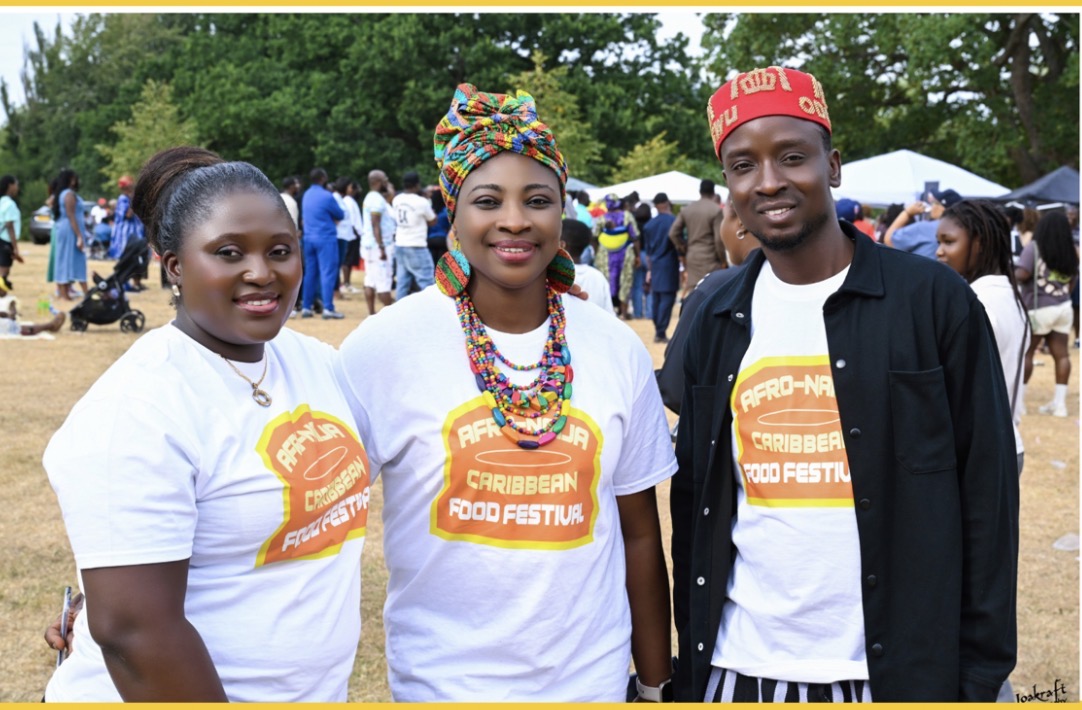
For some, it's about the music and food. For others, it's the chance to reconnect with old friends or meet someone they haven't seen in years. And for a younger generation, it's an opportunity to immerse themselves in Nigerian culture outside the usual family setting, amidst one of Britain's largest street festivals.
2026: Forty years later
The 2026 edition of the Nigerian Corner marks four decades since its inception. This milestone coincides with a period when Nigerian culture in Britain has arguably reached unprecedented visibility.
Afrobeats has transcended borders, becoming a global phenomenon. Nigerian cuisine, fashion, and entertainment have garnered substantial international audiences. Nigerian artists frequently headline British venues, while a new generation of British Nigerians seamlessly navigates between their British and Nigerian identities.
“The core concept remained remarkably straightforward: Nigerians craved a place at Carnival that resonated with their own culture and identity.”
The Nigerian Corner stands as a testament to this cultural evolution, serving as a bridge between the past and the present.
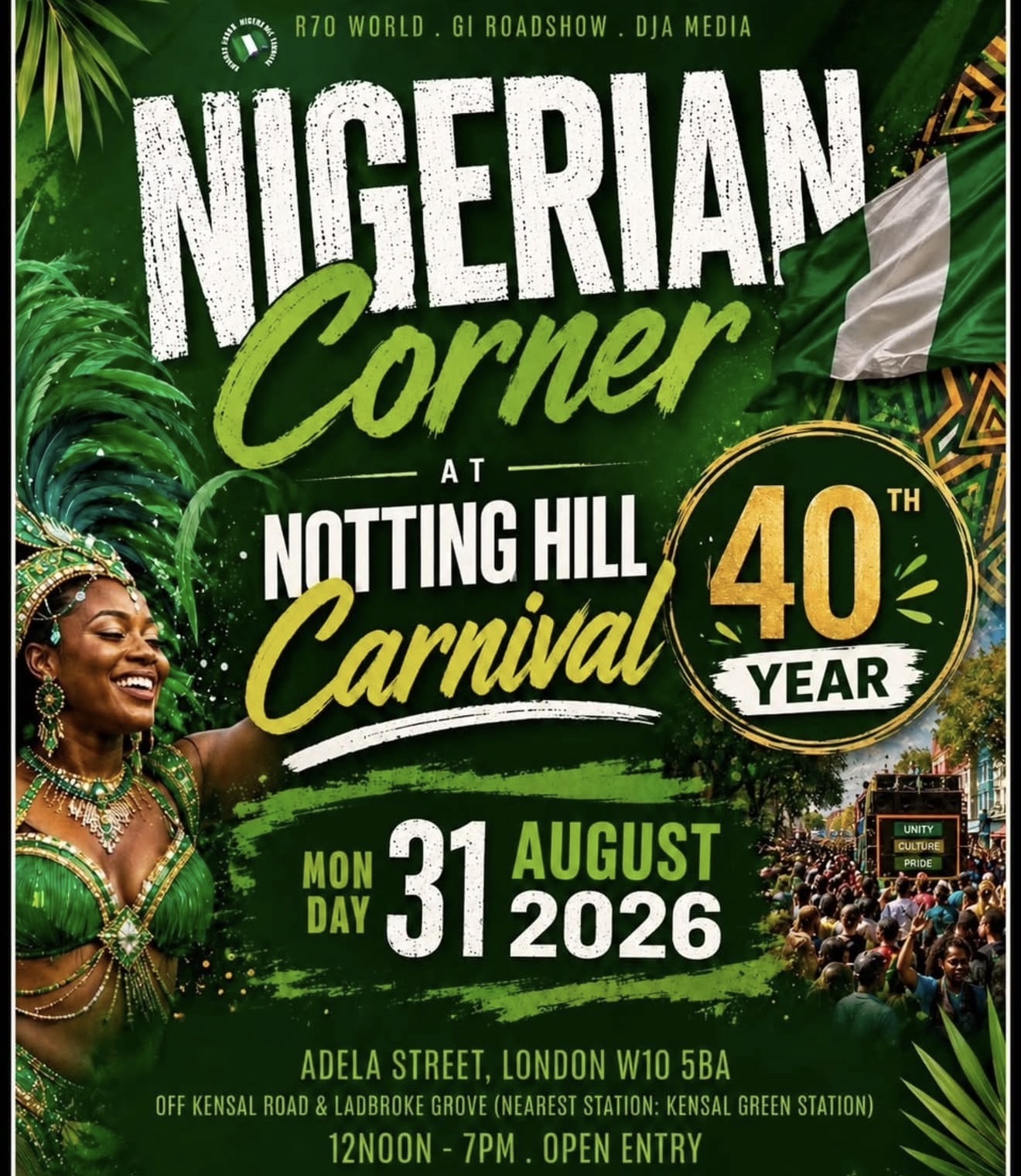
This year's program showcases live performances by Konga and other artists, with DJ Sneh also joining the entertainment lineup. R70 World, GI Roadshow, and DJA Media are collaborating to organize the event.
AfriChange and Air Peace are among the sponsors supporting this year's celebration.
This initiative, which began with Nigerians simply finding each other at Carnival, has grown significantly in scale since its inception.
Where Nigeria meets the Caribbean
It's important to recognise that Notting Hill Carnival is exclusively Caribbean. Its history, traditions, and cultural foundations are deeply rooted in Britain's Caribbean communities and their struggle to establish their own space.
The Nigerian Corner doesn't change that history. Instead, it has become one of the many avenues through which African and Caribbean cultures converge within the broader Carnival experience.
Afrobeats and soca coexist, with Nigerian Pidgin comfortably nestled alongside Caribbean patois. Green and white Nigerian flags are among the colors of Trinidad and Tobago, Jamaica, Barbados, Grenada, and other Caribbean nations.
There's a familiarity in this exchange. Britain's Black communities have never fit neatly into cultural boxes. They've influenced, borrowed from, and created new identities together.
The Nigerian Corner is one expression of that process.
A diaspora story told through celebration
There's another reason why the 40th anniversary holds significance. The conversation surrounding migration and diaspora life often centers around the challenges people face when leaving their homes, the difficulties of settling in a new place, immigration battles, economic pressures, and the struggle to maintain their identity. While these stories are undoubtedly important, they don't encompass the entirety of diaspora life. Sometimes, it's simply about music, food, friendship, and the freedom to celebrate one's heritage.
The Nigerian Corner serves as a representation of the Nigerian-British experience. It provides a space for the older generation to reconnect with familiar traditions, while also allowing younger Nigerians to incorporate those traditions into their own lives. Additionally, it serves as a reminder that cultural institutions can emerge from unexpected places, such as a group of people meeting on a street and deciding to come back the following year. Then they keep coming back.
Four decades, one corner
On Monday, August 31, 2026, Adela Street will once again come alive with the vibrant sounds of Nigerian Carnival. The streets will be filled with music, delicious food, and the joyous sounds of dancing and waving flags.
Artists will take the stage, captivating the audience with their performances, while DJs will spin the latest hits, keeping the energy high. It's a place where old friends reunite and new faces discover the magic of the Corner.
Some visitors will have been coming to Carnival for decades, cherishing the traditions and memories they've made. Others will be drawn to the festivities by a friend's recommendation, eager to experience the vibrant atmosphere for themselves. Regardless of their experience, everyone is a part of the rich tapestry of stories that make Carnival so special.
Forty years after its inception, the Nigerian Corner has transcended its initial status as a mere location on the Carnival map. It has become an integral part of the Nigerian diaspora's narrative in Britain, meticulously crafted by ordinary individuals, sustained by successive generations, and perpetuated through the rich tapestry of culture.
Perhaps the true significance of this milestone lies in the unwavering presence of Nigerians who have consistently graced the Corner. Four decades later, their steadfast commitment continues to define its enduring legacy.
About the author
Victor Ikoli is the Founder and Editor-in-Chief of Vantage Magazine.