Culture
Mo Abudu's London Hub Aims to Give African Cinema a Home in the UK
EbonyLife Place brings a year-round cinema, Nigerian dining and space for African and diaspora creatives to London's Nine Elms.
For years, African filmmakers have produced stories that travel far beyond the continent. Nollywood films have big audiences across Africa and among millions of people in the diaspora. But if you wanted to watch them on a big screen in the UK, there's been hardly anywhere to go.
Mo Abudu is trying to change that.
The Nigerian media entrepreneur, who founded the EbonyLife media group, has launched EbonyLife Place near Nine Elms. It launched on Thursday at an event with London Mayor Sadiq Khan.
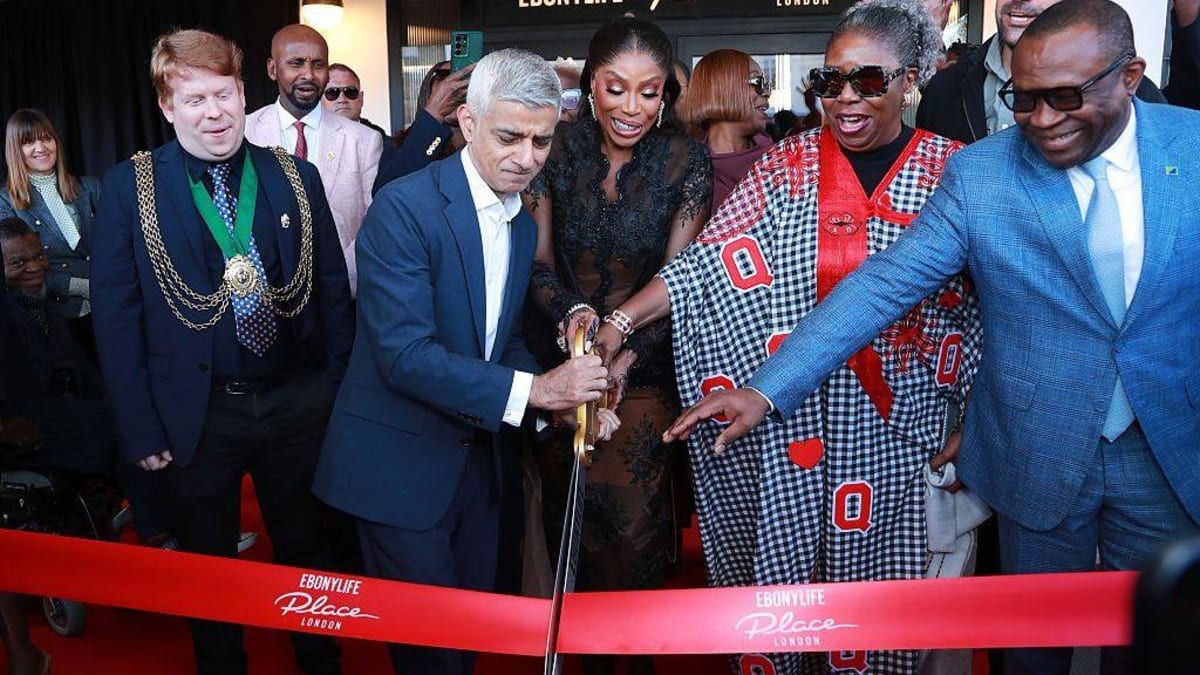
For her, this cinema isn’t just another place to watch movies. She believes that Black and African stories haven’t had enough representation in Britain, and she’s determined to change that.
"I do think there is a younger audience of young people now that just want to see great storytelling," she said at the launch.
"We make great films, and I think we need to create experiences where people can come and they can see the great work that we do in black cinema, in African cinema."
She added: "We don't have enough spaces to serve black cinema in the United Kingdom… representation is so important to us."
So the question for African and diaspora creatives here is whether that interest can turn into permanent spaces, paid work and more visibility.
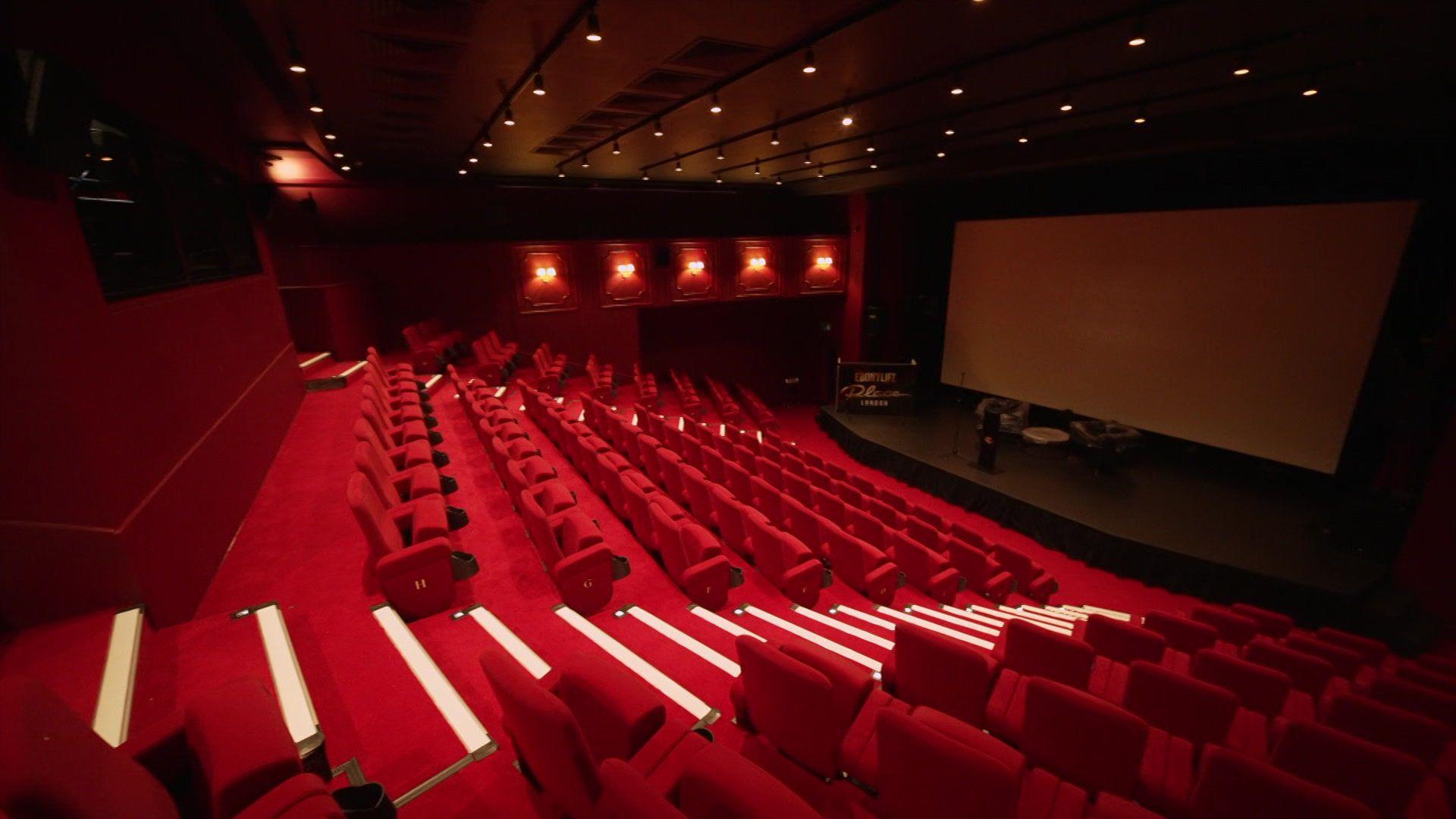
The main room is a 160-seat cinema showing films all year. Expect a lot of Nigerian titles, plus other films about Black experiences. There are also plans for masterclasses, industry talks and live performances, from established and newer artists.
The rest of the building has a Nigerian restaurant, a bar and lounge called Fàhinti (meaning “leaning back and resting” in Yoruba), and a boutique showcasing African and diaspora designers. Throughout the space, you’ll find art from the diaspora.
So African cinema isn't a one-off screening or a festival slot here. It's part of a night out. You could watch a Nigerian film after dinner, meet other creatives at an event, or find a designer inspired by African heritage. For filmmakers, it's somewhere to meet audiences and industry people outside the usual cinema route.
Whether it lasts will come down to the programme, who turns up, and whether it can pay its way.
Abudu has spent years building a media business in Nigeria with an eye on the international market. Through film, TV and entertainment, EbonyLife has taken Nigerian productions and talent to bigger audiences.
London is the next step. Lots of people in the African diaspora here watch and make culture, but there's very little built for African storytelling. She's done something like this before, opening an upscale lifestyle and entertainment complex in Lagos in 2019.
Reports on the launch say her media group paid for almost all of it. That suggests she wants a permanent base, not just distribution and streaming.
It also isn't only for Nigerians. Britain has communities with roots across Africa and the Caribbean, and younger people who see international films on streaming and social media. A place that brings them together could put African films in front of people who'd never have seen them in a cinema. It could also give British-based African filmmakers, actors, writers, musicians and designers somewhere to show their work and meet collaborators.
Whether it gets there depends on how well it connects with those communities, and whether it opens up to talent outside its own circle.
At the launch, Khan talked about London as a global centre for filmmaking and promised to keep investing in culture.
"As long as I'm mayor, we'll invest in culture," he said.
The opening falls during the London Film Festival, so it lands in a bigger argument about who gets to tell stories, which films get a cinema release, and whether cultural institutions reflect the people they serve.
African cinema doesn't have a shortage of stories. Nigeria has a huge film industry with audiences at home and abroad. What's harder is getting films distributed, shown and promoted so people see them internationally.
One venue won't fix that. But it offers something streaming can't: people watching together in one room, filmmakers talking to viewers, and conversation building around the work.
For some in the diaspora, a screening is a link to home. For others, it's a way into contemporary African life beyond the usual headlines and stereotypes. For filmmakers, it's a chance to be noticed in a new market.
EbonyLife Place is betting that African and Black storytelling deserves more than the odd showing in Britain. We'll know if it worked by who comes back, which films it gets onto screens, and what it opens up for the next generation of creatives.
For Vantage Magazine, this is about more than a new place to go in London. It's about the infrastructure diaspora creativity needs to have lasting influence. Abudu has built the space. What happens next depends on the stories told in it.
About the author
Victor Ikoli is the Founder and Editor-in-Chief of Vantage Magazine.